
Blog / From the Auto Industry

The 2021 Chip Shortage: Explained

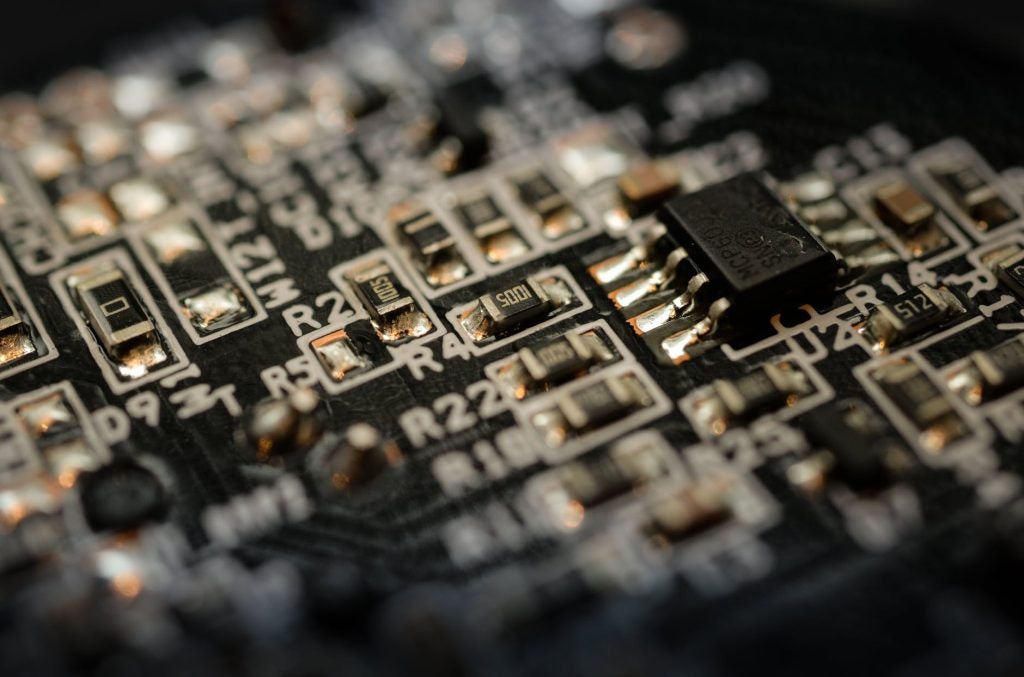
Close up of a semiconductor chip

You’ve all heard of the worldwide chip shortage by now. Inventories are low, and prices are a bit higher than usual. We know you have questions: “What are these ‘chips?’” “Why do we need them?” “Will this shortage ever end?” Here’s what you need to know.

What are semiconductor chips and why do we need them?

Semiconductor chips are complex. They are “groups of circuits that run software, manipulate data, and control the functions of electronic devices. The arrangement of those circuits gives each chip its specific purpose,” an article from Bloomberg reads. They are not interchangeable between devices, like a phone and a car, for example. Our vehicles require chips for all their incredible technology features, such as safety and suspension systems, engine and transmission operations, touchscreens, key fobs - the list goes on.

Simpler vehicles will have a lesser amount of chips, while newer vehicles can have thousands. CNBC explains how a Ford Focus uses around 300 chips, whereas one of their electric vehicles can have up to 3,000. With the popularity of electric vehicles rising, and ever-advanced safety technology, the demand for semiconductor chips is much higher than the supply can handle.

Unsurprisingly, semiconductor chips are not easy to make.  According to Bloomberg, “Manufacturing a chip typically takes more than three months and involves giant factories, dust-free rooms, multi-million-dollar machines, molten tin, and lasers.” These facilities take years to construct and cost billions of dollars. A market forecast by World Semiconductor Trade Statistics reveals that semiconductor chip sales increased by 6.8% in 2020 to $440 billion. In 2021, they expect sales to rise 19.7% to $527 billion, and in 2022, 8.8% to $573 billion. If the industry is growing this quickly, why is there a shortage?

How did this happen?

In short, COVID-19 is primarily to blame. During the early stages of the pandemic, people were forced to work and learn from home, causing the demand for personal electronics to skyrocket. 5G phones alone require a lot more computer chips than older models. Initially, this wasn’t a problem because car manufacturers were freeing up part of the supply. They were canceling orders due to shutdowns and anticipation of plummeting auto sales. We did not expect how quickly the demand for vehicles would rebound.

With zero-percent financing offers and the bettered ability for customers to shop at home, there was an incredible demand once the factories reopened. By canceling previous orders, car manufacturers were left at the back of the line for their needed chips. In addition, the supply chain is physically struggling to meet demand as many products are stuck on container ships, waiting long periods to be unloaded and transported. Labor shortages are further hindering the situation.

Other unforeseen factors have affected manufacturing, such as a drought in Taiwan and a factory fire in Japan. Cryptocurrency’s appetite for chips has also put pressure on the issue, as well as the US-China trade war. This tension caused companies in China to stockpile semiconductor chips, inflating prices even further. Domestic chip production has been a national priority for China since 2014, according to John VerWey’s paper: “Chinese Semiconductor Industrial Policy: Past and Present.”  Many chipmaking companies existed in the United States, but most have shut down or outsourced to other firms, mainly in Asia.

Who is it affecting?

Clearly, the global chip shortage is affecting parties all up and down the chain. It’s causing pain to sub-suppliers (e.g., tire companies), sales, jobs, future production -- the economy in general. Consumers are facing limited options for used vehicles or extended wait times on new vehicle orders. Car dealerships are stuck with empty lots. Thousands of newly assembled vehicles are sitting, waiting on chips in order to be shipped out. Some companies have cut back on production, prioritizing select models. Others are shipping vehicles out without certain features, such as wireless charging or start/stop technology. Ford Motor Company views the shortage as a learning experience and is looking toward a bright future. The Drive spoke with Ford CEO Jim Farley, who claims Ford has seen improvement since the second quarter. Furthermore, they have been preparing for other potential shortages, creating their own stockpiles of materials.

When will the chip shortage end?

Sadly, there is no definite answer. Existing chip factories are working around the clock, but it may take a while for new manufacturers to get up and running. The U.S. is pushing to facilitate production and development domestically, allocating tens of billions of dollars toward the cause, an article from the Washington Post explains. In its entirety, the situation is slowly getting better. However, it could take into 2022 or even 2023 to return to some sort of normalcy. Only time will tell.

White’s Canyon Ford is continuing to mitigate the situation by remaining patient and focusing on customer satisfaction. We understand the frustrations anyone in the market may have, and we’re always ready to help. If you want to take advantage of the current used car market, give us a call. We offer on-the-spot appraisals and immediate purchases - any make or model.
Posted in:

Related Posts

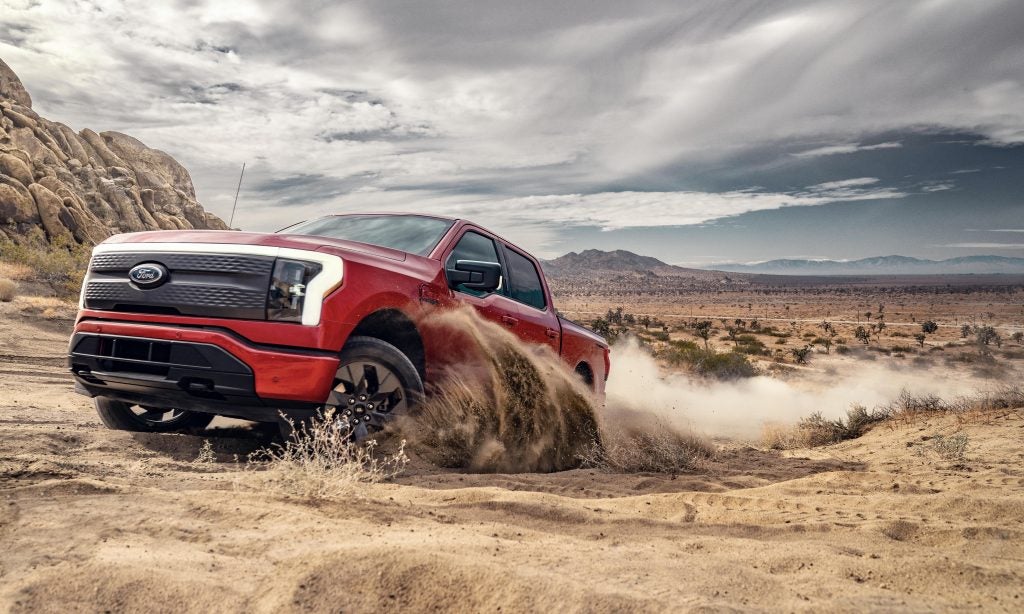
Ford F-150 Lighting driving in desert

Exploring Ford's Electric and Hybrid Lineup

As the world moves toward cleaner, more efficient transportation, Ford is making major strides with an impressive and expanding lineup of electric and hybrid vehicles. Whether you're ready to go fully electric or want the flexibility of a hybrid, Ford offers innovative options designed to suit every lifestyle, including life here in the rugged and often chilly Black Hills of South Dakota. Why Go Electric or Hybrid with Ford? Ford’s electric and hybrid models blend sustainability with strength, offering: Instant Torque & Powerful Performance – Feel the thrill with vehicles like the all-electric Mustang Mach-E or F-150 Lightning, delivering near-instant acceleration. Savings at the Pump – Spend less on fuel and enjoy potential tax incentives. Advanced Technology – Ford’s EVs come loaded with smart features, from SYNC 4 infotainment to BlueCruise hands-free driving. Quieter Ride – Electric motors create a smooth, silent driving experience. What’s in the Ford Electric & Hybrid Lineup? Ford’s electrified lineup offers something for every kind of driver — whether you're commuting through Spearfish, towing in the Black Hills, or just trying to cut down on fuel stops. Mustang Mach-E – A sleek, high-tech SUV that blends performance with personality. It’s built to thrill and designed to turn heads wherever it goes. F-150 Lightning – America’s best-selling truck, now fully electric. It’s tough, innovative, and powerful enough to handle job sites, road trips, and everything in between. F-150 PowerBoost Hybrid – The only full-size pickup with a full hybrid powertrain, offering impressive towing capacity, onboard power, and serious fuel efficiency — ideal for those who want muscle and mileage. Escape Plug-in Hybrid – An efficient SUV with a blend of electric-only driving for short trips and gas-powered freedom for longer hauls. Maverick Hybrid – A versatile, compact truck with a standard hybrid engine — perfect for daily drivers who want practicality and efficiency. The Ford Power Promise With every new Ford EV or hybrid purchase, you're backed by the Ford Power Promise — a commitment to quality, performance, and peace of mind. From robust warranties to expert service support, it’s designed to make your transition to electric as smooth as possible. Electric Vehicle Performance in Cold Climates We know South Dakota winters can be brutal, therefore it’s natural to wonder how EVs perform in freezing temperatures. Ford rigorously tests their EVs in cold-weather conditions. They feature battery preconditioning technology to optimize range and performance even when it’s below zero. Plus, regenerative braking can help improve range when driving through hilly terrain like Spearfish Canyon or Needles Highway. What About Range? From daily drives to weekend getaways, you’re good to go. Mustang Mach-E offers up to 312 miles of range. F-150 Lightning can achieve up to 320 miles, depending on configuration. Plug-in hybrids like the Escape PHEV offer all-electric driving for short trips and a gas engine for longer ones. This gives you the best of both worlds! Charge Up with Confidence Charging your Ford EV is easier than ever. Local charging stations are growing in number across the Midwest and beyond — plus, many customers opt to install a Ford home charger for maximum convenience. Ford also partners with BlueOval Charge Network, giving you access to over 84,000 public chargers nationwide. Expert Ford Electric Vehicle Maintenance, Close to Home At White’s Canyon Ford & Lincoln, we’re proud to have two Ford EV-Certified Technicians on staff. They are highly trained and ready to handle everything from routine maintenance to advanced diagnostics. And good news: EVs often require less frequent maintenance than traditional gas vehicles — no oil changes, fewer moving parts, and regenerative braking means less wear on brake pads. Ready to Make the Switch? Whether you're from Spearfish, Sturgis, Belle Fourche, Rapid City, or Gillette, White’s Canyon Motors is here to help you explore the benefits of going electric. From exploring features to answering your questions, we’re here to make your transition to electric smooth and stress-free. Stop by, test drive one of Ford’s electrified vehicles, and experience the future of driving — right here in the Black Hills.

Ford F-Series Evolution

Ford F-Series: A Legacy of Innovation and Dependability

Ford's F-Series trucks have been an iconic symbol of American innovation, strength, and reliability for nearly eight decades. Let's journey through the history of the Ford F-Series and discover how these legendary trucks have evolved. The Birth of a Legend: The 1940s In 1948, Ford introduced the F-Series Bonus-Built trucks, the series' first generation. These trucks, ranging from the half-ton F-1 to the much larger F-8, were designed to serve various needs, from farming to construction. With their durable construction and reliable V8 engines, the F-Series quickly gained a reputation as the workhorse of America. The 1950s: Advancing Comfort and Style The second generation, launched in 1953, brought significant changes, including renaming models (e.g., F-100, F-250) and focusing on driver comfort. Ford introduced improved suspension systems, roomier cabs, and a more stylish design, making the trucks practical and appealing for everyday use. In 1959, four-wheel drive became a factory option. The 1960s: Durability Meets Modernization The fourth generation of the F-Series, debuting in 1961, showcased a significant shift toward modernization. This era saw the introduction of the Twin I-Beam front suspension, enhancing ride quality and handling. Ford also began incorporating more powerful engine options to meet the demands of both work and leisure. The 1970s: Birth of the Best-Selling Truck Ford introduced the F-150 in 1975 to meet new emission restrictions. It quickly surpassed the F-100 in popularity. In 1977, the F-Series achieved an unbroken milestone: becoming America's best-selling truck. The sixth generation further enhanced interior options, like increased cabin dimensions, solidifying the F-Series' dominance in the market. The 1980s: Focus on Fuel Efficiency As fuel efficiency became a priority, the seventh generation of the F-Series incorporated aerodynamic designs and more efficient engines. Technological advancements like fuel injection and overdrive transmissions made these trucks more versatile and economical. The 1990s: Redefining Innovation The ninth and tenth generations, launched in the 1990s, brought revolutionary features, including safety elements and more powerful engines with improved towing capabilities. These models catered to a growing audience that valued both functionality and comfort. The 2000s: The Rise of the Super Duty Line Gearing up for the 2000s, Ford expanded the F-Series lineup in 1998 by officially debuting the Super Duty trucks, designed for heavy-duty tasks. The 11th generation also introduced groundbreaking technologies like integrated trailer brake controllers and advanced infotainment systems, setting new standards for the industry. The 2010s: A Focus on Lightweight Strength With the 13th generation in 2015, Ford took a bold step by using military-grade aluminum alloy to reduce weight without sacrificing strength. Paired with powerful EcoBoost engines, this innovation improved fuel efficiency and performance, reinforcing the F-Series as a leader in the truck market. Today: The Future of Toughness and Technology The latest Ford F-Series models, including the F-150 and Super Duty, showcase cutting-edge technology such as Pro Power Onboard, advanced driver-assist systems, and hybrid powertrains. With an unwavering commitment to innovation, Ford continues to set the bar high for what a truck can achieve. Experience the Legacy at White's Canyon Ford & Lincoln At White's Canyon Ford & Lincoln, we're proud to be a part of the F-Series legacy by offering the latest models to our customers in Spearfish, Sturgis, Belle Fourche, Rapid City, Gillette, and beyond. Whether looking for a dependable work truck or a versatile vehicle for family adventures, the Ford F-Series delivers unmatched quality and performance. Visit White's Canyon Ford today to explore our inventory and experience firsthand why the Ford F-Series has been America's best-selling truck for over 40 years. Your journey toward reliability and innovation starts here!

Woman enjoying hands-free driving with Ford BlueCruise

Ford BlueCruise: The Future of Hands-Free Driving

Ford is at the forefront with its BlueCruise system in today's fast-changing world of automotive technology. BlueCruise blends cutting-edge features with Ford's commitment to safety and performance, successfully representing the future of driving convenience. But what exactly is BlueCruise, and how does it impact the driving experience? Let's explore. What is Ford BlueCruise? Ford BlueCruise is a hands-free highway driving system designed to make long drives more comfortable and less stressful. It builds upon the foundation laid by Ford's existing driver assistance systems, such as Ford Co-Pilot360™ Technology and Adaptive Cruise Control with Stop-and-Go. Unlike traditional or adaptive cruise control, which adjusts speed based on traffic conditions, BlueCruise allows drivers to remove their hands from the wheel. At the same time, the vehicle navigates pre-mapped, compatible highways using advanced cameras, sensors, and radar that monitor the road, traffic, and surrounding environment. How Does BlueCruise Work? Ford integrates BlueCruise into vehicles equipped with the Ford Co-Pilot360™ Active 2.0 Prep Package. Here's how the system works: Hands-Free Driving on "Blue Zones": BlueCruise operates on pre-mapped stretches of highway known as "Blue Zones," covering over 130,000 miles of North American roads. You must be in a Blue Zone to utilize BlueCruise. Check the current Blue Zone map here. Seamless Integration with Adaptive Cruise Control: BlueCruise enhances Ford's existing adaptive cruise control, providing lane centering, traffic sign recognition, and automatic speed adjustments to maintain a safe following distance. It gives the vehicle a more intuitive driving experience, adapting to changing conditions on the road. Driver Monitoring System (DMS): One of the key safety features of BlueCruise is the Driver Monitoring System. It uses infrared sensors that track head position and eye movement to ensure drivers remain attentive, even when the vehicle is in hands-free mode. Over-the-Air Updates: BlueCruise benefits from continuous improvements, similar to many modern technologies. Ford delivers new features and refinements through over-the-air updates, keeping your vehicle up with the latest advancements. Why is BlueCruise Important? Ford BlueCruise isn't just about convenience—it's a significant step toward safer driving. By allowing drivers to take their hands off the wheel, it helps reduce fatigue. Additionally, the DMS makes sure you still pay attention, combining comfort with a high safety standard. Ford's approach keeps the driver engaged in a way that encourages confidence in the vehicle's technology without giving up total control. As a result, this allows for a more relaxed and secure driving experience, especially during long road trips. BlueCruise Availability Ford BlueCruise is available in select Ford models, including the Ford Expedition and the Ford F-150. Vehicles equipped with the Ford Co-Pilot360™ Active 2.0 Prep Package are ready for BlueCruise activation via a software update. Drivers can enjoy hands-free driving as soon as the feature is unlocked. The Future of Ford BlueCruise In conclusion, BlueCruise marks the beginning of Ford's journey toward more advanced driving technologies. As more highways become mapped and the system continues to evolve, we can expect even more seamless, safe, and convenient hands-free driving experiences. BlueCruise is shaping the future of Ford vehicles, making road trips more enjoyable and daily commutes less stressful. The future of driving is within reach—and it's closer than you might think. At White's Canyon Ford, we're excited to offer the latest Ford technologies, including BlueCruise. Stop by our dealership to learn more; test drive a Ford vehicle equipped with BlueCruise and experience hands-free driving for yourself!