

Blog / From the Auto Industry

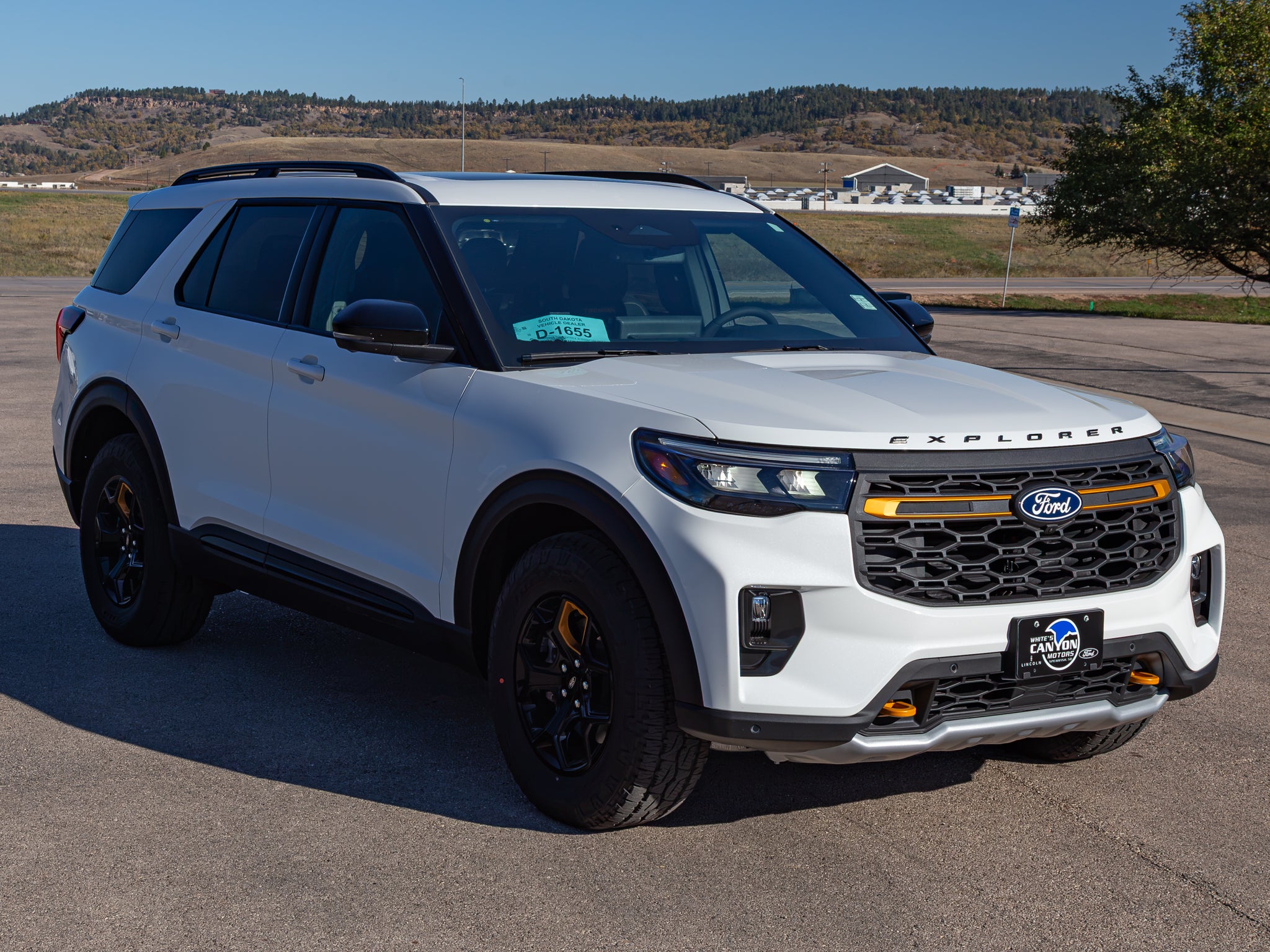
The Ford Explorer, The Vehicle That is Ready For Anything

White 2027 Explorer

Over the course of six measurably different generations, the Ford Explorer has changed and evolved with the people that drive it. Starting from a trim level on other Ford models, and then, eventually becoming it’s own vehicle, the Explorer has been a staple of the Ford lineup for decades. In the late 1960’s through the majority of the 80’s, the Explorer was an option for the F100, the F250, the Bronco, and the Ranchero. As a trim option, the Explorer was primarily an appearance package, offering a selection of different paint colors and interior colors to make the vehicle stand out from the rest of the lineup. Ford’s experimentation with the Explorer as a nameplate for itself started far earlier than most know. In 1973 there was a pickup concept that placed the driver and passenger over the front axle. There was a trend at the time to try to maximize bed space without compromising overall length. Other concepts such as the Dodge Deora, unveiled in 1967, also attempted to create a similar pickup with the cabin over the front axle. Although neither ended up seeing full production, both concepts were lauded as “Futuristic Vehicles.” 


In the early nineties the decision was made to break the Explorer nameplate away from a trim option. The vehicle that resulted from that change went on to completely change the American car market. The Explorer was one of the first of the modern Sport Utility Vehicles that now heavily saturate today’s market. At launch there were two different models, the Explorer, and the Explorer Sport. The Sport had a slightly shorter wheelbase, and a two door profile. The standard Explorer had a four door layout more in line with the current models, and a longer wheelbase to make the vehicle more comfortable for rear seat passengers. Not long after the introduction of the Explorer, and Explorer Sport, there came a new model; the Explorer Sport Trac. The Sport Trac, released in 2001, was the Explorer’s return to the pickup platform. It shared the same updated body style of the Explorer Sport of the same vintage, but rather than an enclosed storage space befitting that of an SUV, the Sport Trac had a short pickup bed. Not only did it have the bed however, it actually utilized a plastic and fiberglass mixture for the outer box sides. This made the bed of the Sport Trac resistant to damage from door dings and the like, as well as being nearly immune to rusting out in hight salt winter environments. 


Over the course of the now six different generations of Explorer there have been two fairly distinct mindsets. The early years were geared towards convenience, and off-road capability. While the convenience never changed, for the 2011 model year the Explorer went through a redesign intended to lead the market yet again. With this update the Explorer moved from a vehicle tailored for off-road adventure, and into the concrete jungle. Ford’s market research noticed a trend, while people loved the convenience of the Explorer’s go anywhere, do anything mentality, the vehicles were rarely seeing anything other than pavement. This redesign of the Explorer also became wildly popular with many different states as a Police vehicle, it quickly became a favorite whether it was Local, State, or Federal Law Enforcement. While there is still plenty of that original adventure minded DNA in the current Explorer, it’s purpose has distinctly shifted to being the vehicle that can take on any challenge, from the rigors of a daily commute, to the drop off line, or soccer practice, any lifestyle, the Explorer has a model to fit.
Posted in:

Related Posts

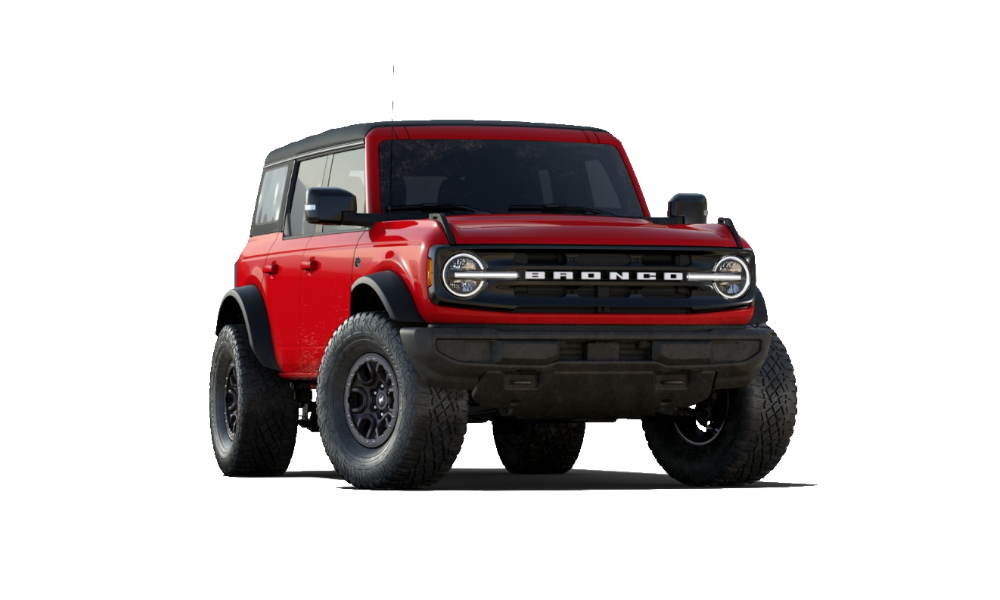
A red and black Ford Bronco.

The History of the Ford Bronco

Let’s take a deep dive into the history of the Ford Bronco shall we? The Bronco was released in August of 1965, and was off to a middling start. The competition in the market around the small body, short wheelbase Sport Utility Vehicle was steep in the early days. It slowly grew in popularity after the first few early adopters got their cars out on the road. In the same time period, the world also found that the Bronco had a great capacity for racing. Specifically the Baja 1000. Many off-road racing fans know “Big-Oly” the heavily modified 1969 Bronco that won the Baja outright a couple of times. However fewer people know that there were actually attempts to run the grueling race with an unmodified Bronco in the early years as well. Ford even produced a special edition of the Bronco inspired by the designs of one such racer’s vehicle the 2025 Stroppe edition an orange-tone red, and white paint scheme with a black hood and blue roof. On the topic of special editions, there is a newly announced Bronco RTR (Ready To Rock), a partnership that Ford made with drift racer, and off-road racer Vaughn Gittin Jr. His racing Bronco, lovingly nicknamed “Brocky” which he ran in 2018; just one of his many appearances over the course of consistent appearances stretching back to 2016. The Bronco, across nearly all its variations has been a successful platform in motorsport. Throughout the generations of Bronco, whether it be the 1965 to 1998 original run of the Bronco, or the modern 2021 to current run, one near constant feature of the Bronco would be that of having two different models available. The Bronco, and the Bronco II in the classic generations, and the Bronco, and Bronco Sport respectively. The Bronco II was added to the Ford vehicle lineup in 1984 as some purchasers wanted a Bronco in a smaller platform more befitting the original vehicle. The Bronco had grown, substantially, over the years. From a small yet capable SUV, to, in its main trim the Bronco was now measurably heavier, wider, longer, and taller. In fact, the Bronco was substantially taller, wider, and longer than its partner in the lineup, the Ford Explorer. While the modern Bronco, and Bronco Sport are somewhat a mirror to this dichotomy, the Bronco Sport is tuned more for city and highway travel, it is still capable of off-road travel. The Sport’s big brother, in a sense, is made, and is completely capable of just about any trail you could throw at it. All with minor to no modification required. In fact, the same Baja 1000 race has seen many basically stock (required safety modifications only) modern Broncos being run as a form of testing to make the vehicle more ready, and capable for your own pleasure. There are really two pillars of the Bronco that have kept it both successful, and relevant in the market all these years. The removable roof, giving people the option of a vehicle closer to a pickup when needed, and the comfortability of an SUV when desired. The other? Mod-ability. Modifications have always been readily available for the Bronco. From the original release, and the stock straight six-cylinder being swapped out for a high-output 289 c.i. V8, removable door and roof kits and options, and a myriad of other options both factory, and aftermarket. While the removable roof is not an option currently available on the modern Bronco Sport, the full-size Bronco fully embodies both of those primary tenets. The Ford aftermarket catalog for the Bronco boasts many pages of modifications and at least 3 different options for roof coverings. Even the Bronco sport has many modification options available including roof racks, and front-end bumper impact bars. If you have a Bronco and are interested in joining in the modified Bronco movement give our White’s Canyon Xtreme Truck Shop a visit and we’ll see what we can do for you!

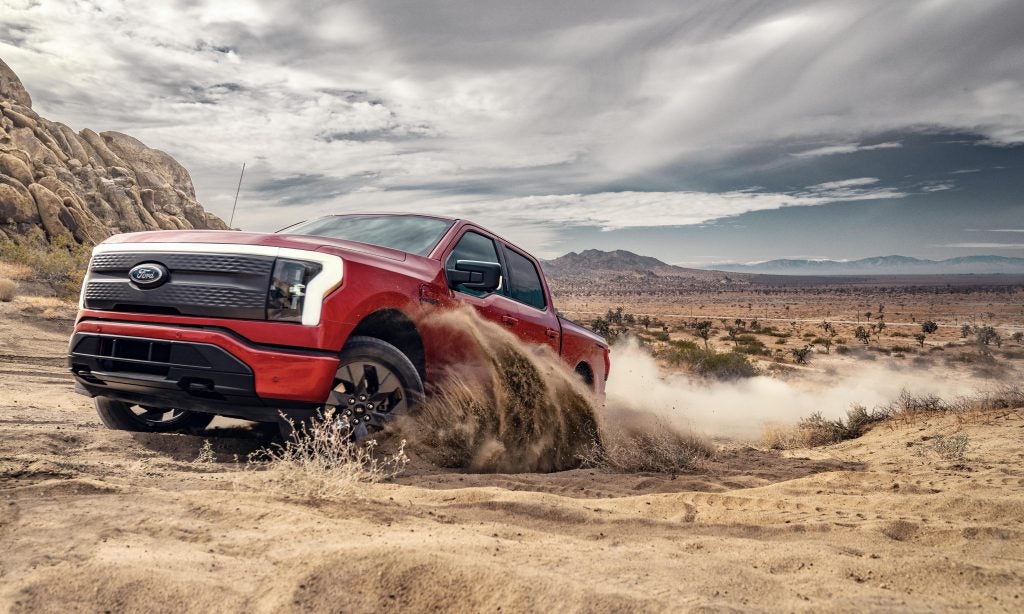
Ford F-150 Lighting driving in desert

Exploring Ford's Electric and Hybrid Lineup

As the world moves toward cleaner, more efficient transportation, Ford is making major strides with an impressive and expanding lineup of electric and hybrid vehicles. Whether you're ready to go fully electric or want the flexibility of a hybrid, Ford offers innovative options designed to suit every lifestyle, including life here in the rugged and often chilly Black Hills of South Dakota. Why Go Electric or Hybrid with Ford? Ford’s electric and hybrid models blend sustainability with strength, offering: Instant Torque & Powerful Performance – Feel the thrill with vehicles like the all-electric Mustang Mach-E or F-150 Lightning, delivering near-instant acceleration. Savings at the Pump – Spend less on fuel and enjoy potential tax incentives. Advanced Technology – Ford’s EVs come loaded with smart features, from SYNC 4 infotainment to BlueCruise hands-free driving. Quieter Ride – Electric motors create a smooth, silent driving experience. What’s in the Ford Electric & Hybrid Lineup? Ford’s electrified lineup offers something for every kind of driver — whether you're commuting through Spearfish, towing in the Black Hills, or just trying to cut down on fuel stops. Mustang Mach-E – A sleek, high-tech SUV that blends performance with personality. It’s built to thrill and designed to turn heads wherever it goes. F-150 Lightning – America’s best-selling truck, now fully electric. It’s tough, innovative, and powerful enough to handle job sites, road trips, and everything in between. F-150 PowerBoost Hybrid – The only full-size pickup with a full hybrid powertrain, offering impressive towing capacity, onboard power, and serious fuel efficiency — ideal for those who want muscle and mileage. Escape Plug-in Hybrid – An efficient SUV with a blend of electric-only driving for short trips and gas-powered freedom for longer hauls. Maverick Hybrid – A versatile, compact truck with a standard hybrid engine — perfect for daily drivers who want practicality and efficiency. The Ford Power Promise With every new Ford EV or hybrid purchase, you're backed by the Ford Power Promise — a commitment to quality, performance, and peace of mind. From robust warranties to expert service support, it’s designed to make your transition to electric as smooth as possible. Electric Vehicle Performance in Cold Climates We know South Dakota winters can be brutal, therefore it’s natural to wonder how EVs perform in freezing temperatures. Ford rigorously tests their EVs in cold-weather conditions. They feature battery preconditioning technology to optimize range and performance even when it’s below zero. Plus, regenerative braking can help improve range when driving through hilly terrain like Spearfish Canyon or Needles Highway. What About Range? From daily drives to weekend getaways, you’re good to go. Mustang Mach-E offers up to 312 miles of range. F-150 Lightning can achieve up to 320 miles, depending on configuration. Plug-in hybrids like the Escape PHEV offer all-electric driving for short trips and a gas engine for longer ones. This gives you the best of both worlds! Charge Up with Confidence Charging your Ford EV is easier than ever. Local charging stations are growing in number across the Midwest and beyond — plus, many customers opt to install a Ford home charger for maximum convenience. Ford also partners with BlueOval Charge Network, giving you access to over 84,000 public chargers nationwide. Expert Ford Electric Vehicle Maintenance, Close to Home At White’s Canyon Ford & Lincoln, we’re proud to have two Ford EV-Certified Technicians on staff. They are highly trained and ready to handle everything from routine maintenance to advanced diagnostics. And good news: EVs often require less frequent maintenance than traditional gas vehicles — no oil changes, fewer moving parts, and regenerative braking means less wear on brake pads. Ready to Make the Switch? Whether you're from Spearfish, Sturgis, Belle Fourche, Rapid City, or Gillette, White’s Canyon Motors is here to help you explore the benefits of going electric. From exploring features to answering your questions, we’re here to make your transition to electric smooth and stress-free. Stop by, test drive one of Ford’s electrified vehicles, and experience the future of driving — right here in the Black Hills.

Ford F-Series Evolution

Ford F-Series: A Legacy of Innovation and Dependability

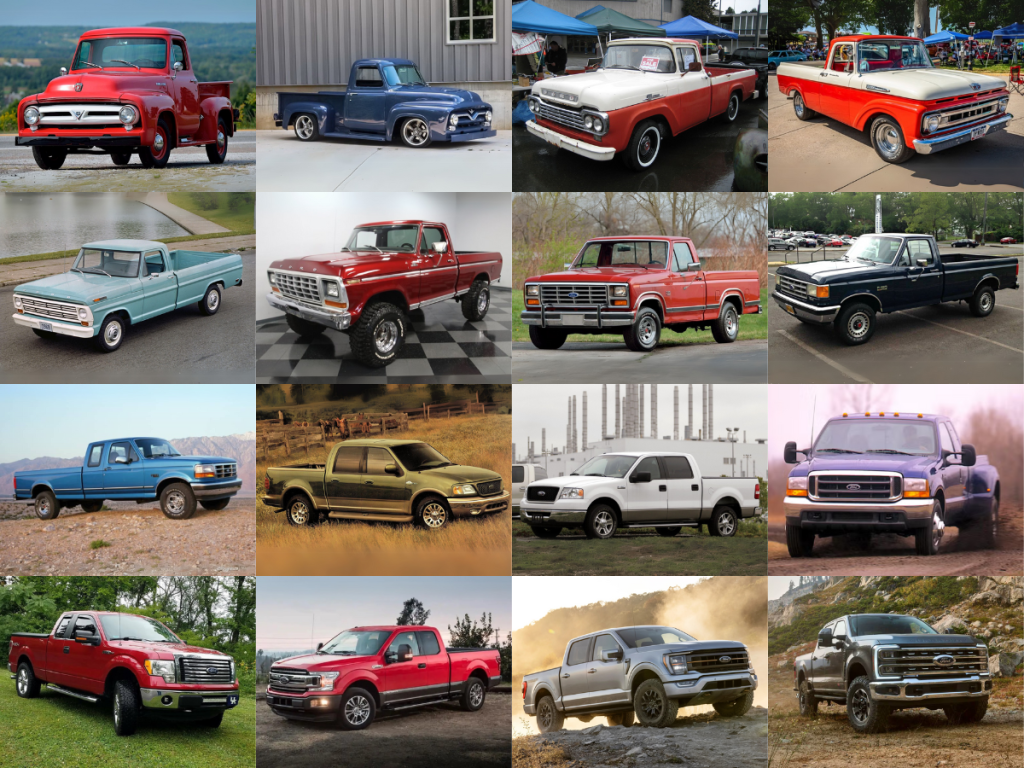
Ford's F-Series trucks have been an iconic symbol of American innovation, strength, and reliability for nearly eight decades. Let's journey through the history of the Ford F-Series and discover how these legendary trucks have evolved. The Birth of a Legend: The 1940s In 1948, Ford introduced the F-Series Bonus-Built trucks, the series' first generation. These trucks, ranging from the half-ton F-1 to the much larger F-8, were designed to serve various needs, from farming to construction. With their durable construction and reliable V8 engines, the F-Series quickly gained a reputation as the workhorse of America. The 1950s: Advancing Comfort and Style The second generation, launched in 1953, brought significant changes, including renaming models (e.g., F-100, F-250) and focusing on driver comfort. Ford introduced improved suspension systems, roomier cabs, and a more stylish design, making the trucks practical and appealing for everyday use. In 1959, four-wheel drive became a factory option. The 1960s: Durability Meets Modernization The fourth generation of the F-Series, debuting in 1961, showcased a significant shift toward modernization. This era saw the introduction of the Twin I-Beam front suspension, enhancing ride quality and handling. Ford also began incorporating more powerful engine options to meet the demands of both work and leisure. The 1970s: Birth of the Best-Selling Truck Ford introduced the F-150 in 1975 to meet new emission restrictions. It quickly surpassed the F-100 in popularity. In 1977, the F-Series achieved an unbroken milestone: becoming America's best-selling truck. The sixth generation further enhanced interior options, like increased cabin dimensions, solidifying the F-Series' dominance in the market. The 1980s: Focus on Fuel Efficiency As fuel efficiency became a priority, the seventh generation of the F-Series incorporated aerodynamic designs and more efficient engines. Technological advancements like fuel injection and overdrive transmissions made these trucks more versatile and economical. The 1990s: Redefining Innovation The ninth and tenth generations, launched in the 1990s, brought revolutionary features, including safety elements and more powerful engines with improved towing capabilities. These models catered to a growing audience that valued both functionality and comfort. The 2000s: The Rise of the Super Duty Line Gearing up for the 2000s, Ford expanded the F-Series lineup in 1998 by officially debuting the Super Duty trucks, designed for heavy-duty tasks. The 11th generation also introduced groundbreaking technologies like integrated trailer brake controllers and advanced infotainment systems, setting new standards for the industry. The 2010s: A Focus on Lightweight Strength With the 13th generation in 2015, Ford took a bold step by using military-grade aluminum alloy to reduce weight without sacrificing strength. Paired with powerful EcoBoost engines, this innovation improved fuel efficiency and performance, reinforcing the F-Series as a leader in the truck market. Today: The Future of Toughness and Technology The latest Ford F-Series models, including the F-150 and Super Duty, showcase cutting-edge technology such as Pro Power Onboard, advanced driver-assist systems, and hybrid powertrains. With an unwavering commitment to innovation, Ford continues to set the bar high for what a truck can achieve. Experience the Legacy at White's Canyon Ford & Lincoln At White's Canyon Ford & Lincoln, we're proud to be a part of the F-Series legacy by offering the latest models to our customers in Spearfish, Sturgis, Belle Fourche, Rapid City, Gillette, and beyond. Whether looking for a dependable work truck or a versatile vehicle for family adventures, the Ford F-Series delivers unmatched quality and performance. Visit White's Canyon Ford today to explore our inventory and experience firsthand why the Ford F-Series has been America's best-selling truck for over 40 years. Your journey toward reliability and innovation starts here!