

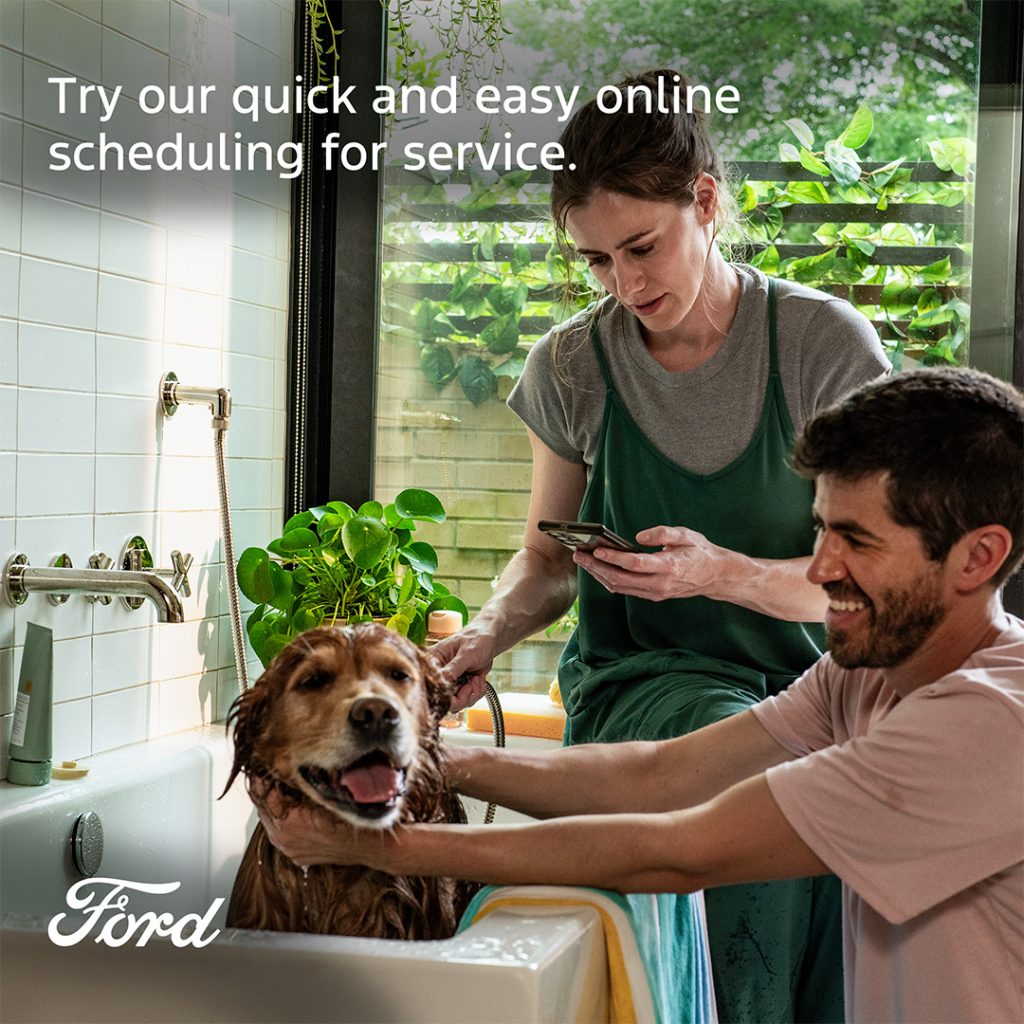

It’s essential to perform regular maintenance on your vehicle, but finding time to do so with a busy schedule can be challenging. At White’s Canyon Ford & Lincoln, we make servicing your car more effortless than ever with online scheduling, pickup and delivery service, and convenient payment options. Now, you can get the service you need without ever stepping foot in the dealership!
Schedule Your Service Online
Gone are the days of making phone calls and waiting on hold. You can book your service appointment with our easy-to-use online scheduler in just a few clicks. Whether you need an oil change, tire rotation, or filter replacement, simply choose a time that works for you, and we’ll take care of the rest. Those using FordPass can schedule service right within the app!
Pickup & Delivery Service – We Come to You!
You don’t need to rearrange your day to bring your car in for service. With our pickup and delivery service, we’ll come to your home or office, pick up your vehicle, and return it once the work is done. It’s that simple! This hassle-free option ensures you get quality maintenance without disrupting your schedule.
Who Benefits from Pickup and Delivery?
Our pickup and delivery service is perfect for:
- Busy Professionals – Stay focused on work while we handle your vehicle’s maintenance.
- College Students – No need to take time out of classes or campus life.
- Parents on the Go – Juggling school drop-offs, errands, and activities? We’ve got you covered.
- Seniors – Avoid the hassle of driving, and let us bring the service to you.
- Anyone Who Values Convenience – If saving time and effort sounds good to you, this service is a game-changer.
Pay with Ease – Text-to-Pay
Say goodbye to waiting in line at the cashier. Once your service is complete, we’ll send you a secure text message with a payment link. You can review your invoice and pay from your phone in seconds. It’s fast, safe, and convenient!
Why Choose White’s Canyon Ford & Lincoln?
- Time-Saving Convenience – Schedule online, let us pick up your car, and pay via text.
- Trusted Technicians – Our factory-trained experts provide top-quality service.
- No Interruptions to Your Day – Get the maintenance your car needs without the hassle.
Book Your Hassle-Free Service Today!
Experience a new level of convenience with White’s Canyon Ford & Lincoln’s pickup and delivery service. Schedule your service online now, and let us handle the rest!
Note: Major repairs must be scheduled in person or over the phone. Pickup and delivery service is only available to customers within Spearfish city limits. Please contact our service department for more information!
Valentine’s Day Gift Ideas for Car Lovers

Valentine’s Day is just around the corner, and picking the perfect gift for the car lover in your life doesn’t have to be a challenge. We’ve got you covered with some creative and thoughtful gift ideas that are sure to rev up their heart. At White’s Canyon Ford & Lincoln, we’re here to help you celebrate love and the open road!
Detailing Kit
Every car lover appreciates a sparkling ride. A high-quality car detailing kit is the perfect gift to help them keep their vehicle in pristine condition. Look for kits that include premium car wash soap, wax, microfiber towels, and tire shine.
Custom Floor Mats
Upgrade their vehicle with custom floor mats that match their vehicle’s make and model. All-weather mats are a practical and stylish way to protect their interior, especially during the snowy winter months in South Dakota and Wyoming. White’s Canyon Xtreme carries quality WeatherTech floor mats year-round.
Ford or Lincoln Merchandise
Show their brand loyalty with Ford or Lincoln gear! There’s something for every fan, from branded apparel like hats and jackets to coffee mugs and keychains. Check out our selection at White’s Canyon Ford & Lincoln to find the perfect item.
Tech Upgrades
Surprise them with tech gadgets that enhance their driving experience. Popular options include a dash cam, a phone mount with wireless charging, or a portable jump starter. These practical yet innovative gifts will improve their time on the road.
Subscription Services
Gift them a subscription to a service they’ll use and love. Options include:
- Satellite radio for endless entertainment on long drives.
- A monthly car wash membership to keep their ride shining year-round.
- FordPass Connect services for connected vehicle features.
A New Vehicle
If you want to make this Valentine’s Day unforgettable, why not surprise your loved one with a new ride? Whether it’s the versatile 2025 Ford Bronco Sport, the luxurious Lincoln Nautilus, or any of our other exceptional vehicles, our team at White’s Canyon can help you find the perfect match. With affordable payment options and incredible deals like low financing rates, now is the perfect time to upgrade their wheels.
Personalized Accessories
From custom license plate frames to engraved keychains or steering wheel covers, personalized gifts add a sentimental touch. Show your thoughtfulness by selecting accessories that reflect their unique style. White’s Canyon also offers performance accessories, such as LED light kits, suspension lifts, and premium tires.
Road Trip Essentials
If your special someone is an adventurer, create a road trip-themed gift basket. Include items like a travel mug, a map of scenic routes around South Dakota and Wyoming, snacks, and a cozy blanket. This gift is perfect for those who love hitting the road and exploring.
Celebrate Love and Cars at White’s Canyon Ford & Lincoln
No matter which gift you choose, White’s Canyon Ford & Lincoln is here to help make this Valentine’s Day one to remember. Visit us in Spearfish, where we proudly serve car lovers from Rapid City, Gillette, and beyond. Explore our selection of vehicles, accessories, and more to find the perfect present for the car enthusiast in your life. Stop by or contact us today!
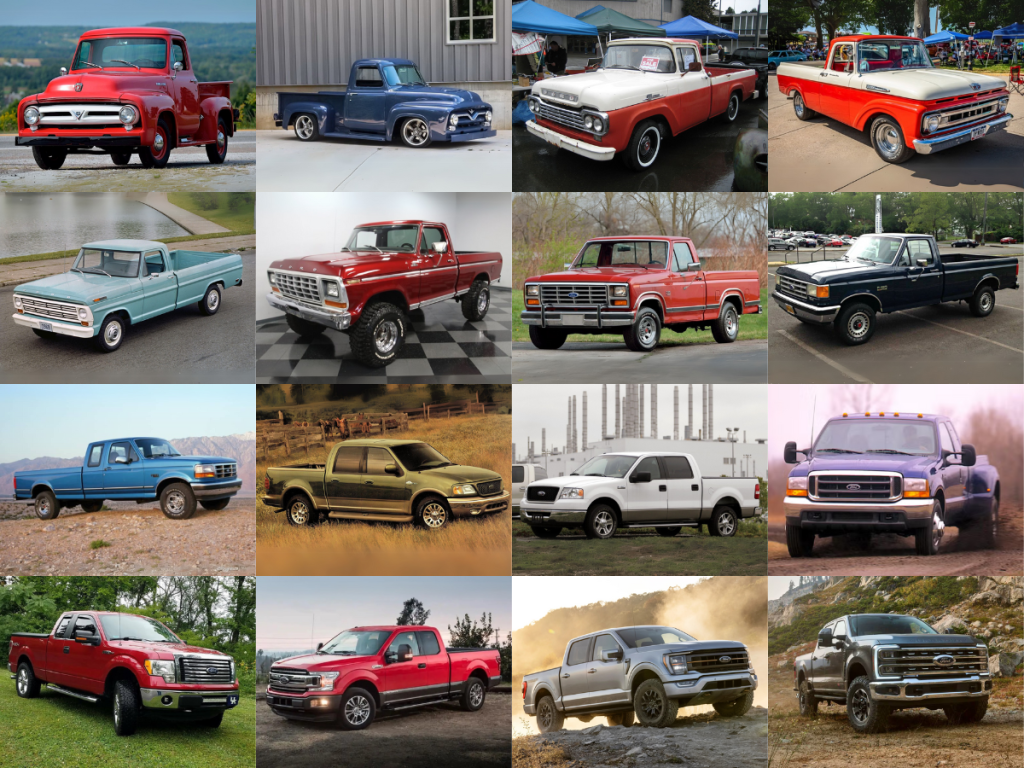
Ford’s F-Series trucks have been an iconic symbol of American innovation, strength, and reliability for nearly eight decades. Let’s journey through the history of the Ford F-Series and discover how these legendary trucks have evolved.
The Birth of a Legend: The 1940s
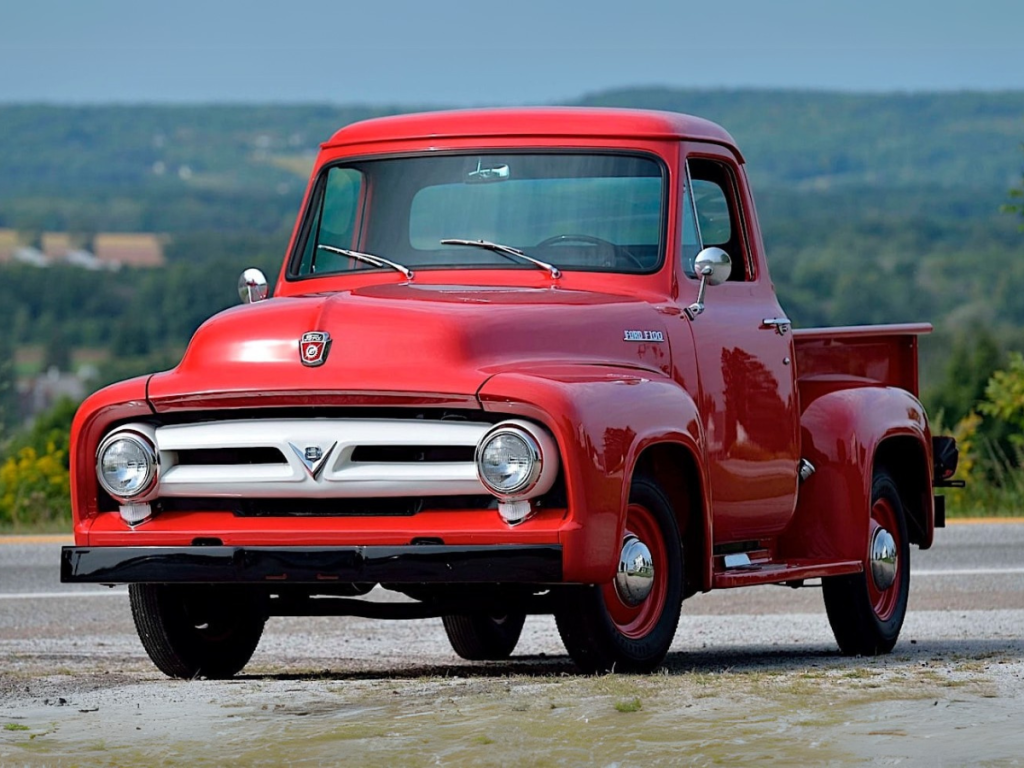
In 1948, Ford introduced the F-Series Bonus-Built trucks, the series’ first generation. These trucks, ranging from the half-ton F-1 to the much larger F-8, were designed to serve various needs, from farming to construction. With their durable construction and reliable V8 engines, the F-Series quickly gained a reputation as the workhorse of America.
The 1950s: Advancing Comfort and Style
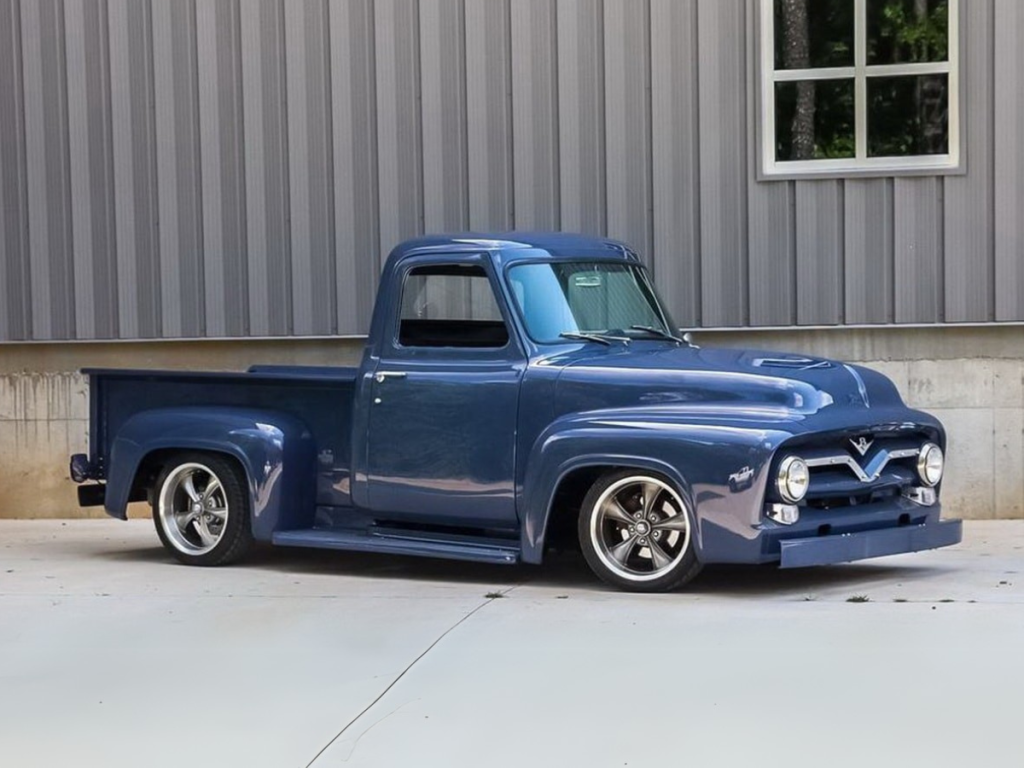
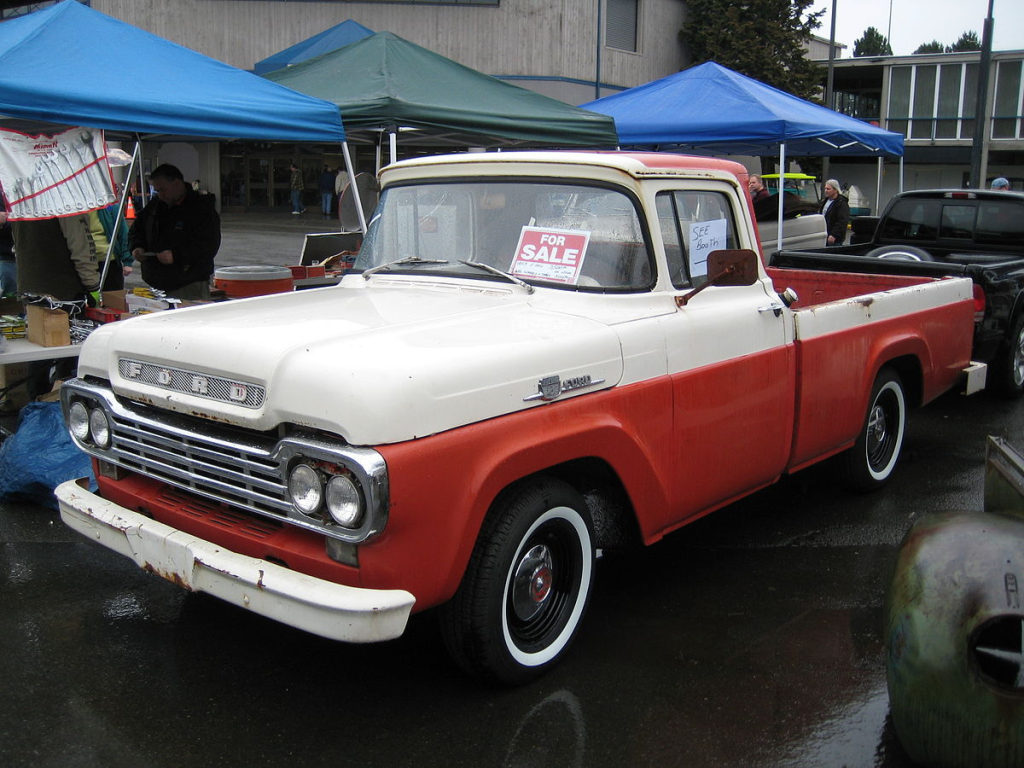
The second generation, launched in 1953, brought significant changes, including renaming models (e.g., F-100, F-250) and focusing on driver comfort. Ford introduced improved suspension systems, roomier cabs, and a more stylish design, making the trucks practical and appealing for everyday use. In 1959, four-wheel drive became a factory option.
The 1960s: Durability Meets Modernization
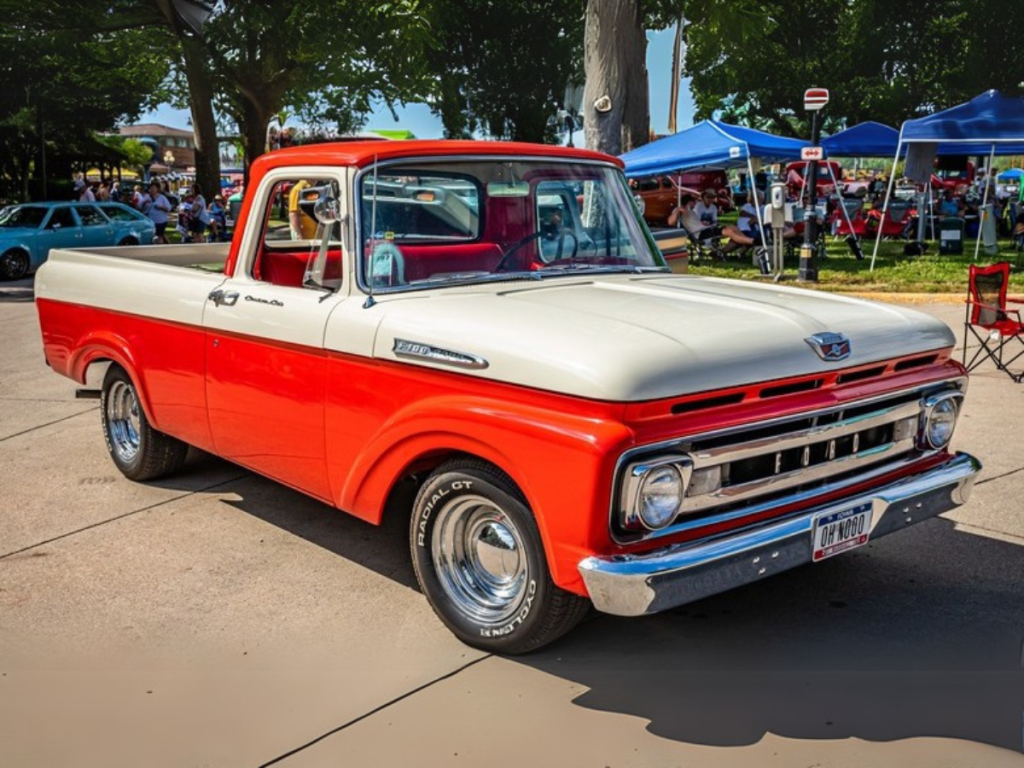
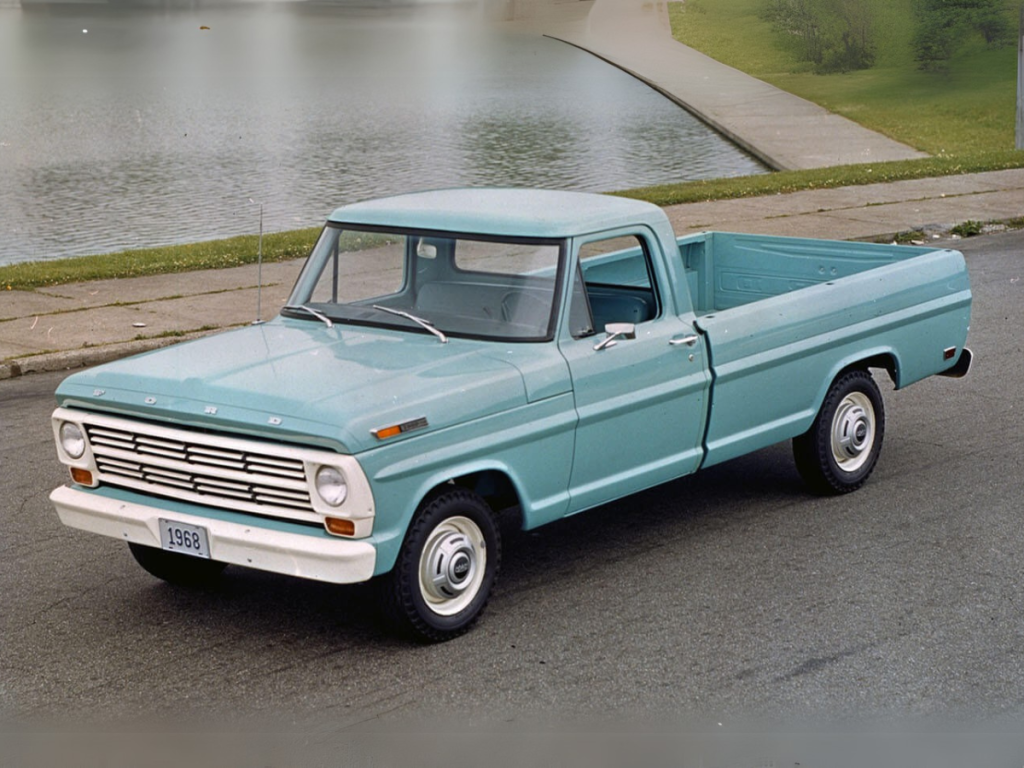
The fourth generation of the F-Series, debuting in 1961, showcased a significant shift toward modernization. This era saw the introduction of the Twin I-Beam front suspension, enhancing ride quality and handling. Ford also began incorporating more powerful engine options to meet the demands of both work and leisure.
The 1970s: Birth of the Best-Selling Truck
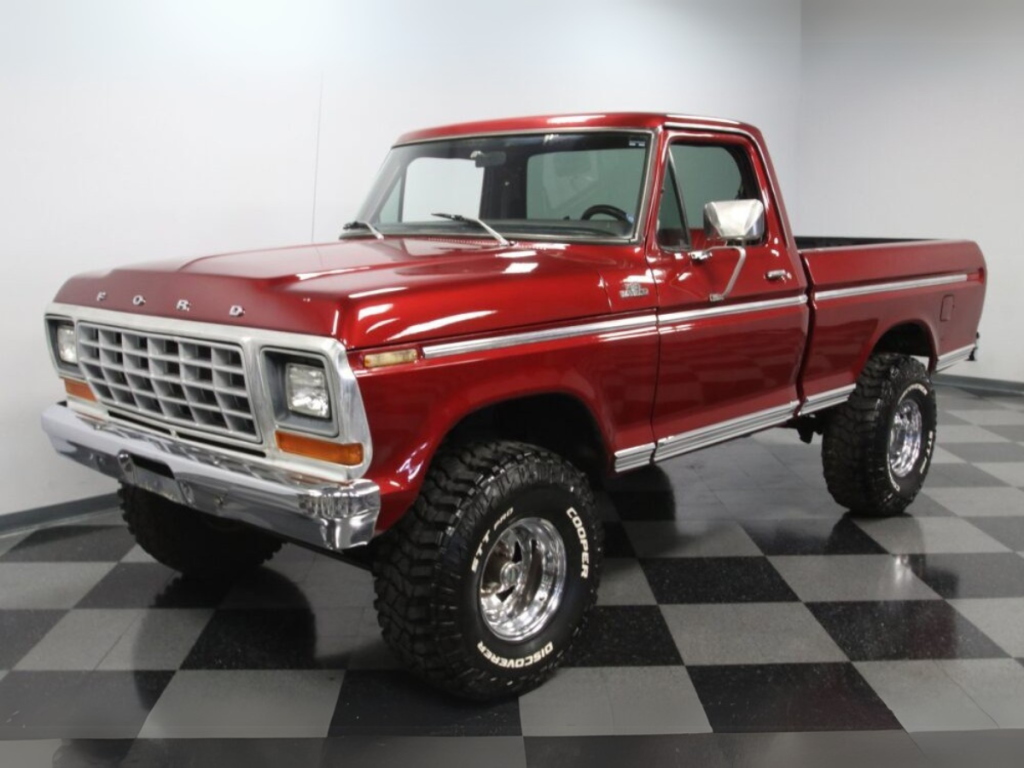
Ford introduced the F-150 in 1975 to meet new emission restrictions. It quickly surpassed the F-100 in popularity. In 1977, the F-Series achieved an unbroken milestone: becoming America’s best-selling truck. The sixth generation further enhanced interior options, like increased cabin dimensions, solidifying the F-Series’ dominance in the market.
The 1980s: Focus on Fuel Efficiency
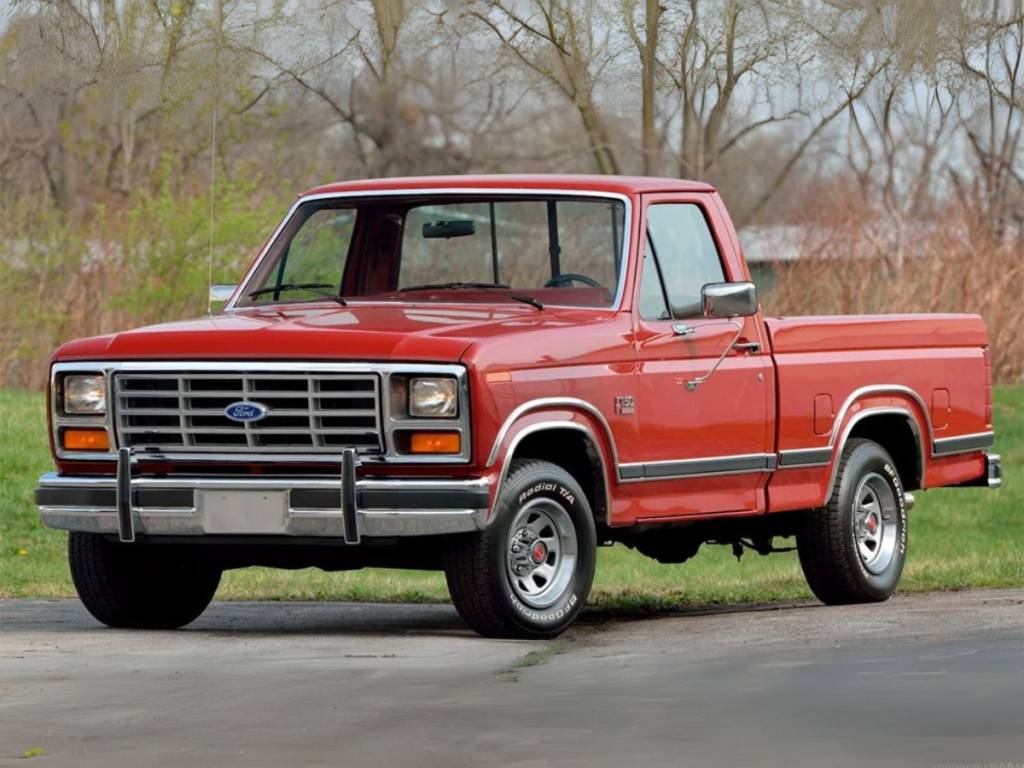
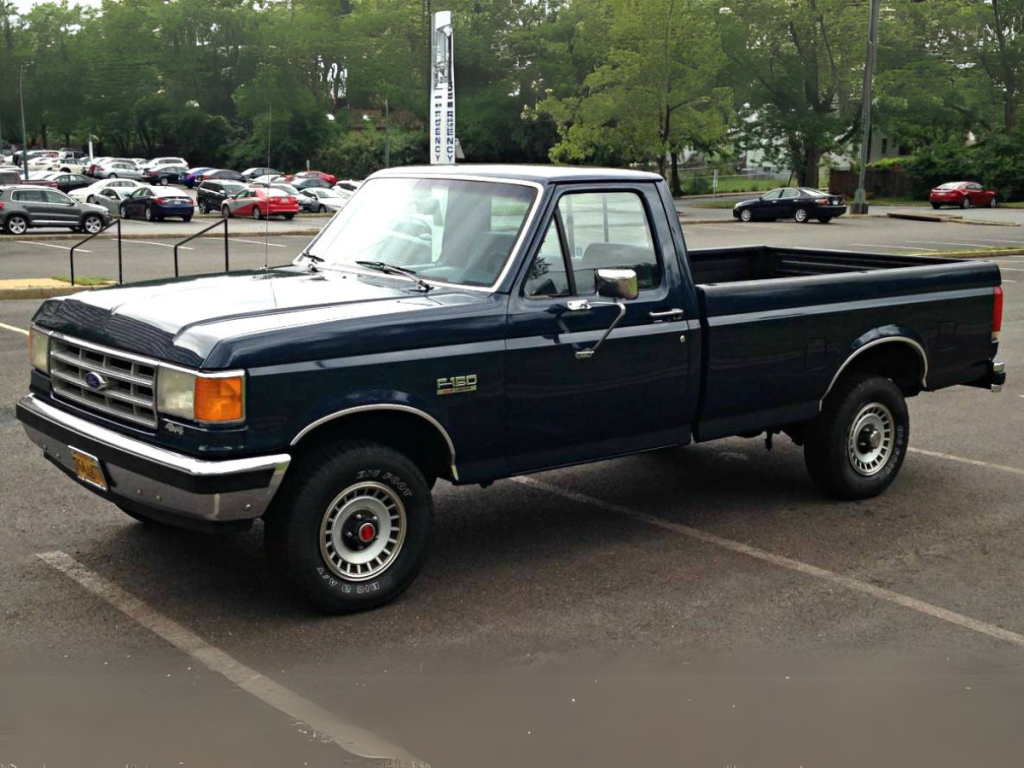
As fuel efficiency became a priority, the seventh generation of the F-Series incorporated aerodynamic designs and more efficient engines. Technological advancements like fuel injection and overdrive transmissions made these trucks more versatile and economical.
The 1990s: Redefining Innovation
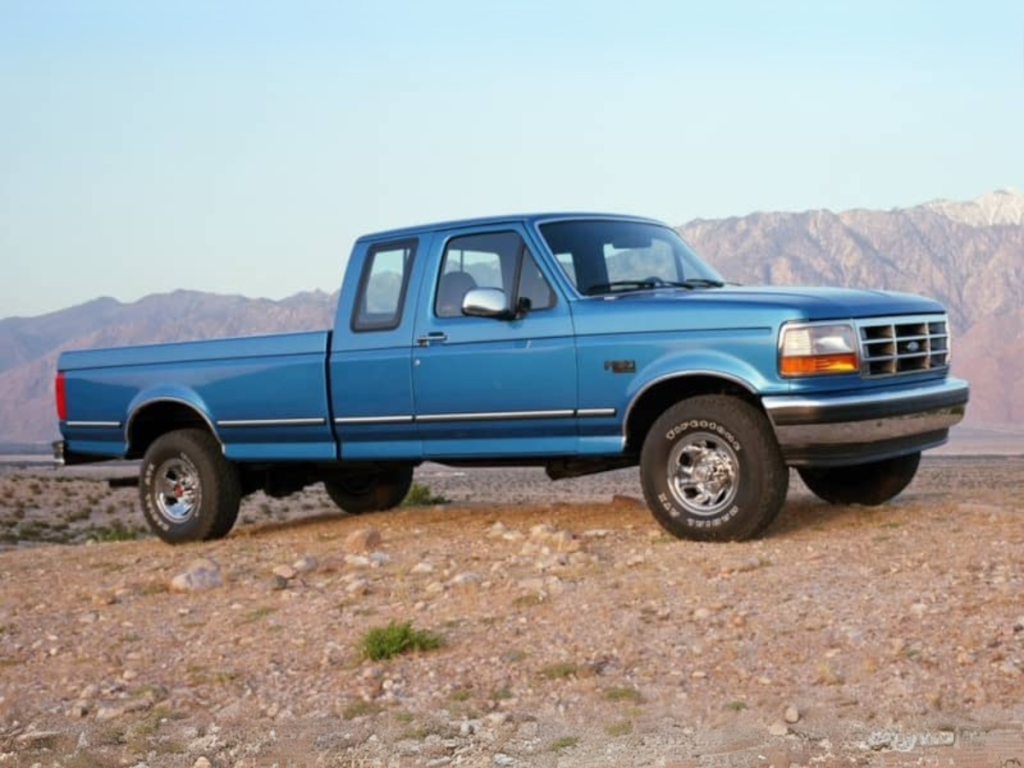
The ninth and tenth generations, launched in the 1990s, brought revolutionary features, including safety elements and more powerful engines with improved towing capabilities. These models catered to a growing audience that valued both functionality and comfort.
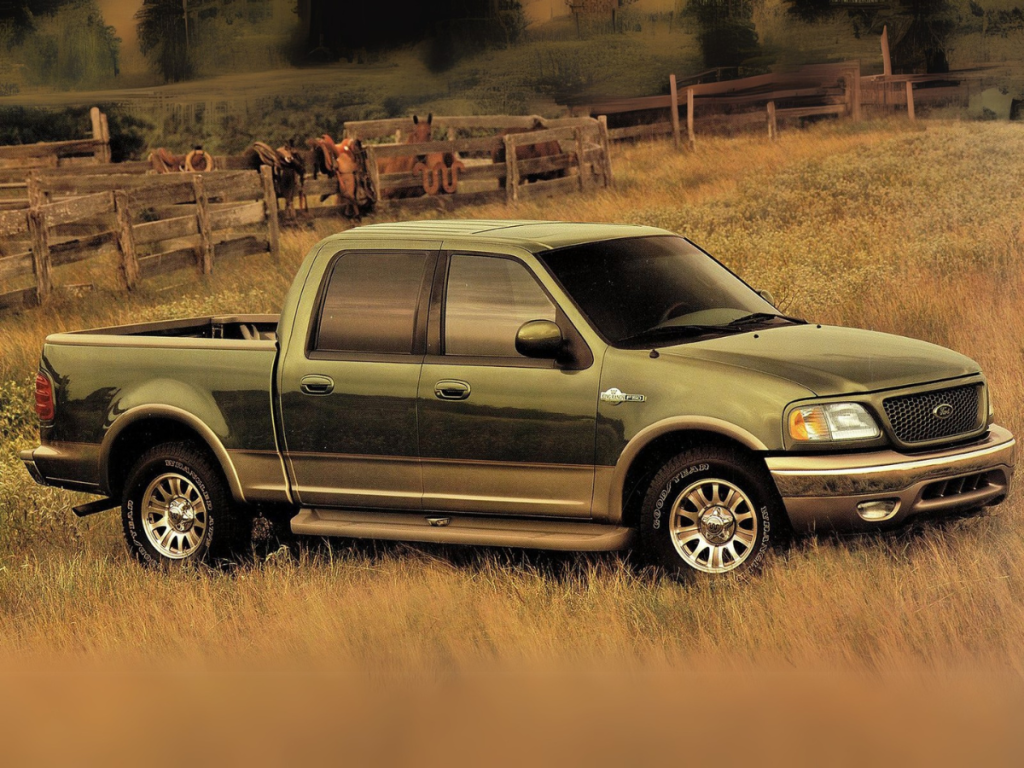
The 2000s: The Rise of the Super Duty Line
Gearing up for the 2000s, Ford expanded the F-Series lineup in 1998 by officially debuting the Super Duty trucks, designed for heavy-duty tasks. The 11th generation also introduced groundbreaking technologies like integrated trailer brake controllers and advanced infotainment systems, setting new standards for the industry.
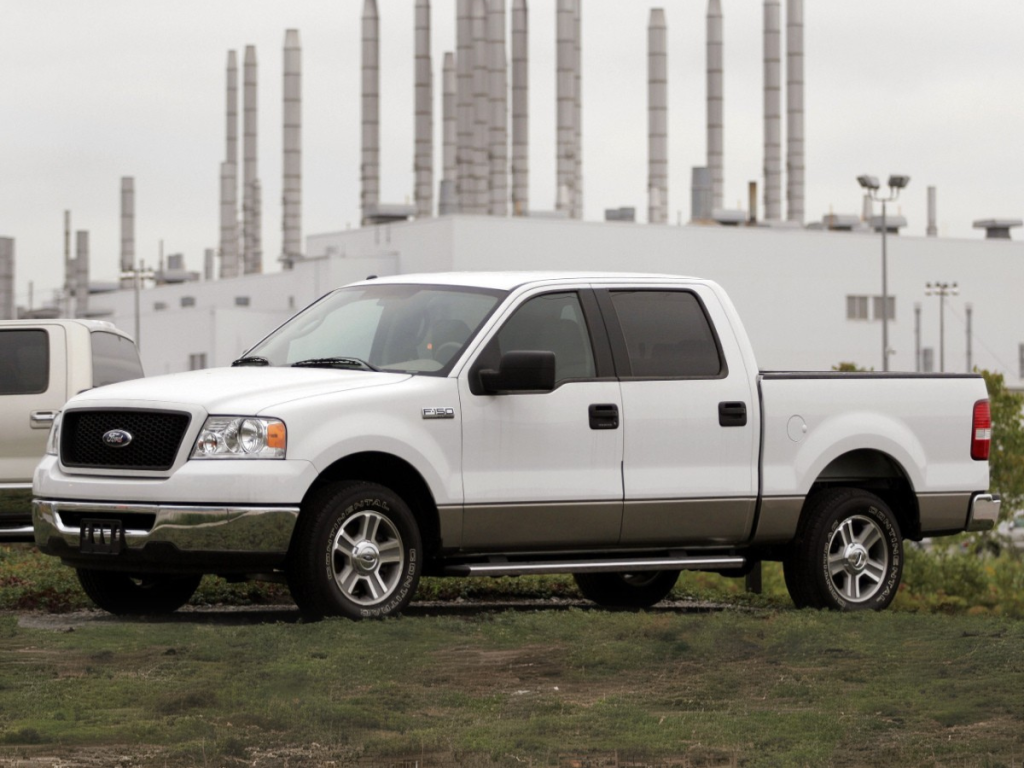

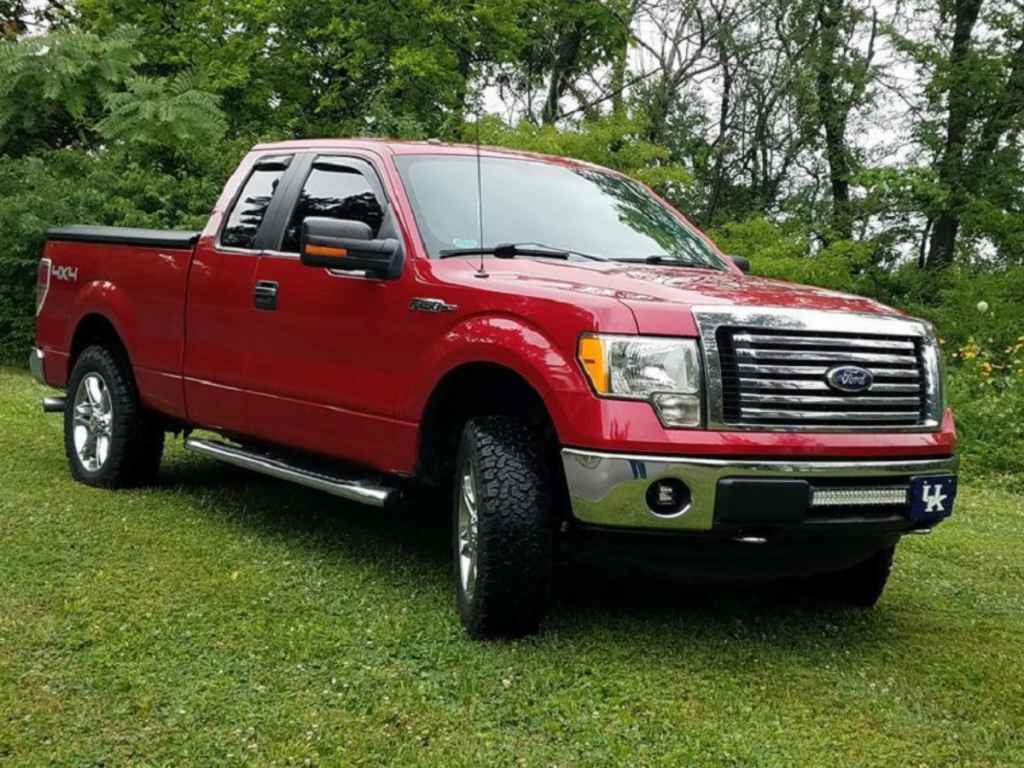
The 2010s: A Focus on Lightweight Strength
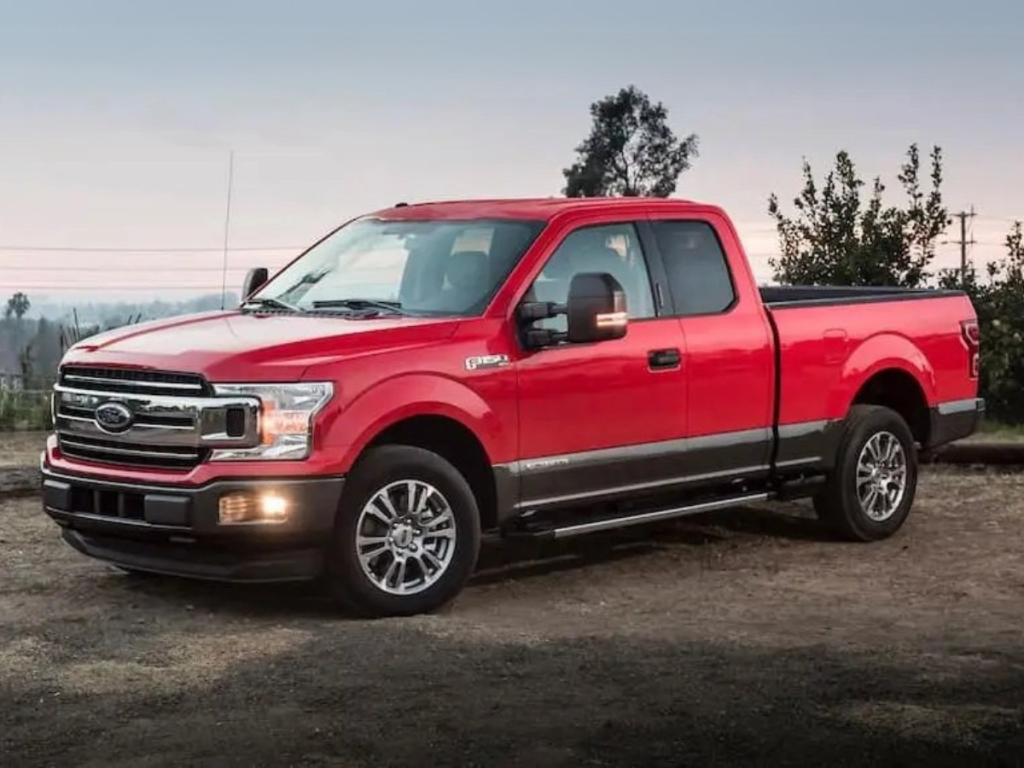
With the 13th generation in 2015, Ford took a bold step by using military-grade aluminum alloy to reduce weight without sacrificing strength. Paired with powerful EcoBoost engines, this innovation improved fuel efficiency and performance, reinforcing the F-Series as a leader in the truck market.
Today: The Future of Toughness and Technology
The latest Ford F-Series models, including the F-150 and Super Duty, showcase cutting-edge technology such as Pro Power Onboard, advanced driver-assist systems, and hybrid powertrains. With an unwavering commitment to innovation, Ford continues to set the bar high for what a truck can achieve.
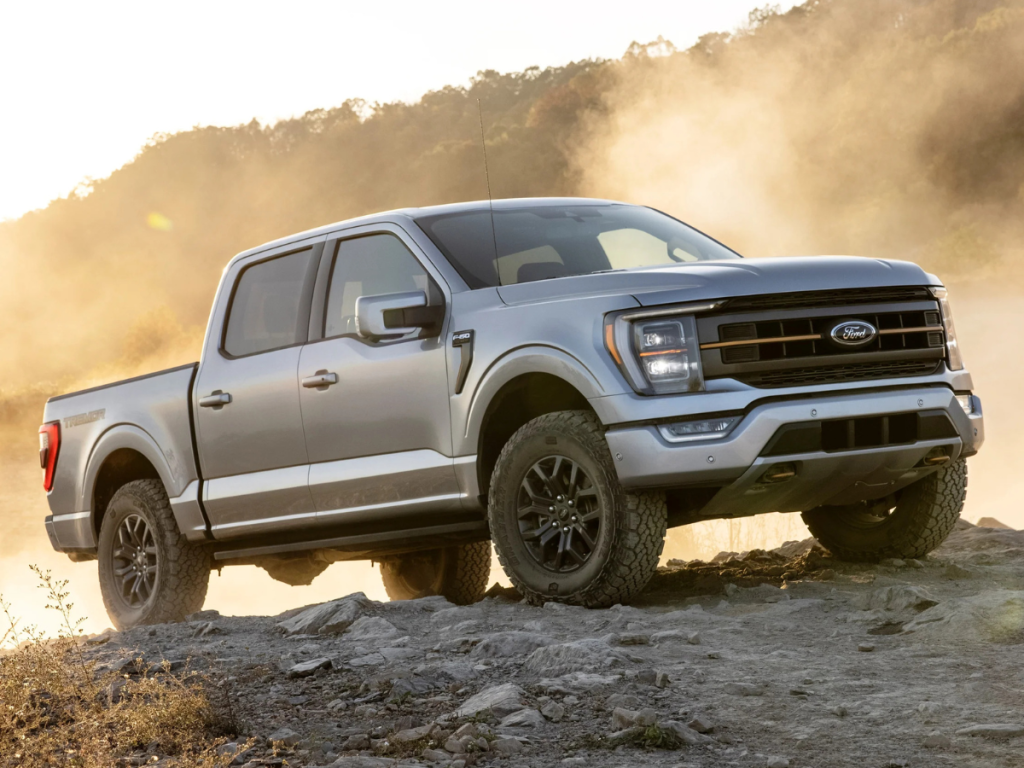
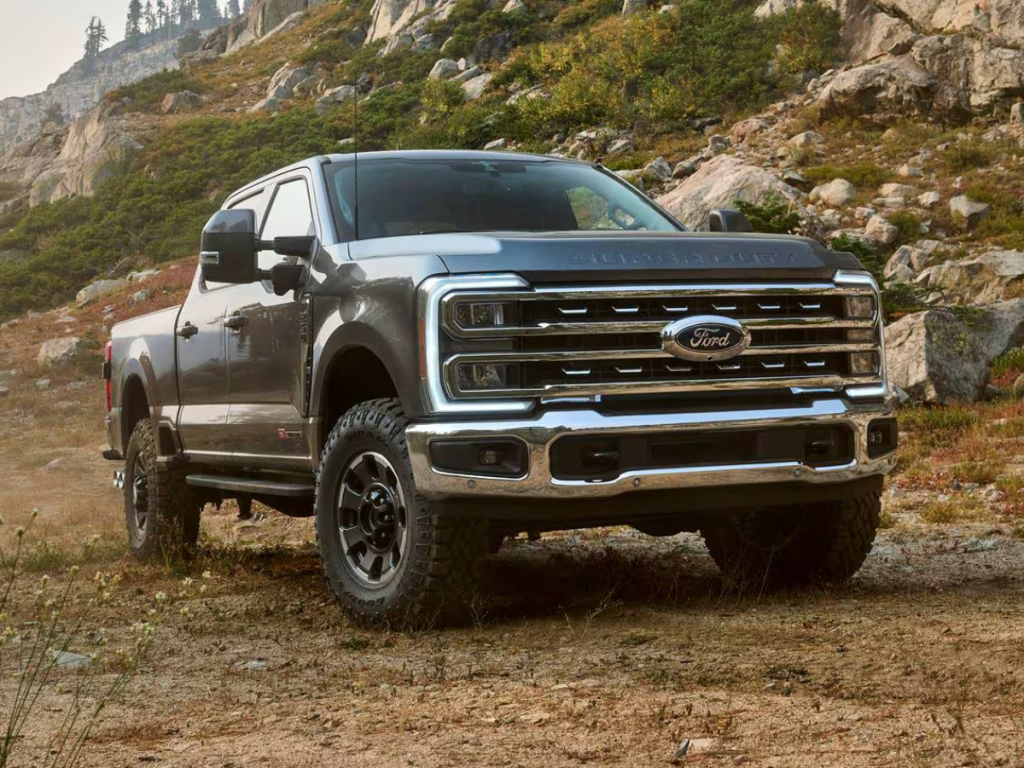
Experience the Legacy at White’s Canyon Ford & Lincoln
At White’s Canyon Ford & Lincoln, we’re proud to be a part of the F-Series legacy by offering the latest models to our customers in Spearfish, Sturgis, Belle Fourche, Rapid City, Gillette, and beyond. Whether looking for a dependable work truck or a versatile vehicle for family adventures, the Ford F-Series delivers unmatched quality and performance.
Visit White’s Canyon Ford today to explore our inventory and experience firsthand why the Ford F-Series has been America’s best-selling truck for over 40 years. Your journey toward reliability and innovation starts here!

Buying a vehicle is a significant investment. Whether it’s your first time or you’re a seasoned buyer, the process can feel overwhelming. With the proper guidance, you can confidently approach this purchase, knowing you’re making a choice that fits your needs and budget. Here are some top tips for buying a car, shared by the team at White’s Canyon Ford & Lincoln, who have helped thousands of customers find the perfect vehicle in a pressure-free environment.
Set Your Budget
Before stepping into any dealership, know what you can comfortably afford. This budget should include the monthly payments if you’re financing, insurance, maintenance, fuel, and any other car-related expenses. Budgeting allows you to narrow your options so you spend time looking at vehicles that genuinely meet your financial needs.
Do Your Research
What kind of vehicle would best suit your lifestyle? Are you commuting long distances? Do you need something with enough space for a family? Once you have a clear idea, research different makes and models that fit your criteria. Understanding features, reliability ratings, and customer reviews will empower you to make an informed decision.
Consider Buying Pre-Owned
A brand-new car is fantastic, but don’t overlook the value of certified pre-owned (CPO) vehicles. CPO options come with a warranty and have undergone extensive inspections, giving you the benefits of a new car at a lower price.
Think About Financing
White’s Canyon Motors partners with eighteen different lenders to help you shop for the best rate. Working with dealer-direct credit unions removes the additional step of going into the credit union yourself. This option saves you time by streamlining the process.
Take Advantage of Test Drives
A test drive is your best opportunity to see how a vehicle feels on the road. Don’t rush through this! Use it to assess comfort, noise levels, visibility, braking, and handling. Our team encourages customers to take as much time as needed during a test drive to feel confident about their choice.
Explore Warranty and Maintenance Options
Understanding the vehicle’s warranty and any available maintenance packages can help you avoid unexpected expenses. White’s Canyon offers various valuable protection plans to help protect your investment. We are always happy to explain these options in detail to help you make the right choice.
Don’t Be Afraid to Ask Questions
A trustworthy dealership will welcome your questions and provide straightforward answers. At White’s Canyon Ford & Lincoln, our team dedicates itself to a no-pressure experience, so you’ll have all the information you need to feel confident in your decision. Asking about trade-in value, additional features, financing terms, and dealership fees can help avoid surprises.
Trust Your Instincts
Intuition plays an essential role in your car-buying journey. Don’t feel pressured to decide on the spot if something doesn’t feel right. A reputable dealership will never push you into a sale. Take your time, and remember that buying a car is about finding the right fit for you.
What Should I Bring?
- Driver’s License: Your driver’s license is required for identity verification and test-driving any vehicle.
- Proof of Insurance: Proof of insurance is required before you can drive off the lot. If you don’t have an existing policy, call an insurance provider to set one up in advance.
- Payment Method or Down Payment: For down payments, bring a check, credit card, or any financing documentation from your bank if you’ve already arranged a loan. Providing payment shows you’re ready to purchase and can help speed up the paperwork. A reasonable down payment will help lower your payment and put equity into the vehicle.
- Trade-In Title and Documentation: If you’re trading in your current vehicle, bring the title and any other documentation, like registration and loan payoff details, if not fully paid off. Remember to bring any extra keys for your trade-in!
- Proof of Income: Many dealerships or financing companies may request proof of income for financing purposes. You can show your consistent income via pay stubs or bank statements.
- Proof of Residency: Lenders may need verification of your address, especially if you’re financing. Any viable document with your current address will work, such as a recent utility bill or lease agreement.
- Credit Score and Pre-Approval Information: If you have pre-approval for financing, bring that documentation. It’s helpful to have an idea of where your credit score is to gauge the interest rates you may qualify for, giving you a clearer sense of what’s reasonable to negotiate. Consider bringing a cosigner to help secure a lower rate.
- Current Vehicle Registration: If you’re trading in your old vehicle, bring the registration, which helps the dealership transfer ownership and ensures your trade-in goes smoothly.
- Any Required Documentation for Incentives: For buyers eligible for special discounts or incentives (like military or student discounts), bring the necessary identification.
Make Your Next Car-Buying Experience a Great One!
With these tips, you can approach the car-buying process with confidence. At White’s Canyon Ford & Lincoln, we strive to make each customer feel welcome and informed so every purchase is a positive experience. Our knowledgeable team is here to help you every step of the way, answering questions, arranging test drives, and ensuring transparency throughout the process.
Ready to start your journey? Visit us today and see how easy car buying can be when you’re supported by a dealership that puts your needs first.
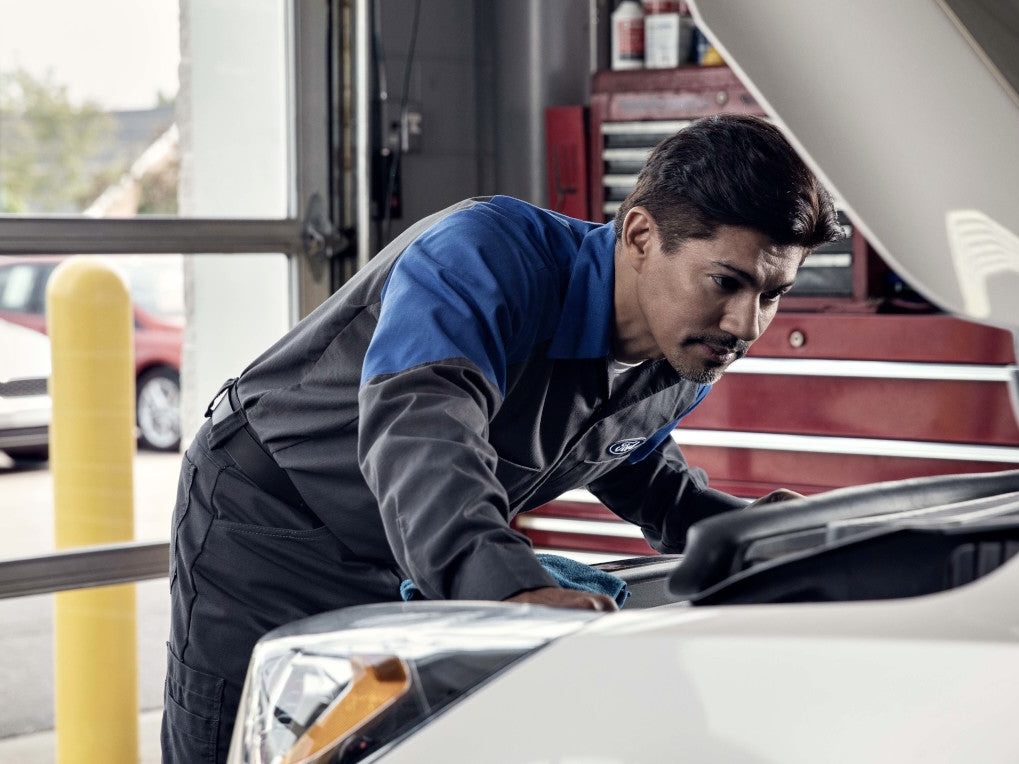
Routine maintenance is very important in keeping your vehicle running smoothly, efficiently, and safely. At White’s Canyon Motors, we’ve created a service schedule with detailed recommendations to help you stay on top of your vehicle’s needs. Performing these services at the recommended intervals will help you avoid costly repairs, maintain optimal performance, and maximize the lifespan of your vehicle.
Service Recommendations for Gas or Half-Ton Vehicles
For half-ton trucks and gas vehicles, here’s what our expert technicians recommend for each service interval:
- Every 5,000 Miles: Basic maintenance includes an oil and filter change, tire rotation, brake inspection, multipoint inspection, and air filter check. This level of care keeps your engine clean and your tires balanced, ensuring smooth rides and safe stopping power.
- Every 15,000 Miles: At this stage, we perform the 5,000-mile services plus an engine air filter replacement, cabin air filter replacement, and fuel induction system flush. These additional steps keep your vehicle breathing clean air and maintain fuel efficiency.
- Every 90,000 Miles: This service includes all the abovementioned essentials, plus several vital system flushes (fuel injection, transmission, cooling, and brakes), spark plug replacement, serpentine belt replacement, and 4×4 fluid replacement (if applicable). This extensive service helps keep high-mileage vehicles operating reliably.
Service Recommendations for Diesel Vehicles
Diesel engines have specific needs, so we’ve created a slightly different schedule for diesel vehicle maintenance:
- Every 5,000 Miles: Like gas vehicles, diesel models require regular oil and filter changes, tire rotations, brake inspections, and multipoint inspections. An air filter check is also part of this service for non-dually models.
- Every 15,000 Miles: Along with the routine 5,000-mile services, this interval includes replacing the engine and cabin air filters, fuel induction system flush, and fuel filter replacement. Regular fuel filter changes are significant for diesel engines to prevent fuel contamination.
- Every 90,000 Miles: Major service for diesel vehicles includes system flushes, fuel and cabin air filter replacements, serpentine belt replacement, and 4×4 fluid replacement. These steps will maintain your diesel engine’s power, efficiency, and longevity.
Why Routine Maintenance Matters
Each service interval addresses standard wear and tear on critical components. By following these maintenance schedules, you can expect:
- Increased Reliability: Regular maintenance helps prevent unexpected breakdowns and expensive repairs.
- Enhanced Safety: Inspections and replacements help identify and correct potential safety issues before they become problematic.
- Optimized Performance: Fresh filters, fluids, and properly functioning parts help your vehicle perform at its best.
- Better Resale Value: A well-maintained vehicle retains value and appeals to buyers if you ever choose to sell.
Ford owners can find their vehicle’s maintenance schedule anytime on Ford’s website.
Schedule Your Service with White’s Canyon Motors
We prioritize going above and beyond at White’s Canyon Motors to keep your vehicle running efficiently. Our trained technicians know Ford and Lincoln vehicles inside and out. They use only genuine OEM parts for repairs and replacements. Not a Ford or Lincoln owner? That’s okay! We service all makes and models!* To book your next maintenance appointment, give us a call or schedule online.
*While the service schedules above are tailored to Ford and Lincoln vehicles, they are similar to all other makes and models’s services. Please consult with one of our helpful service advisors to learn more.
Snow Plow Maintenance Tips for Winter Readiness

Winter is right around the corner! If you live in an area prone to heavy snowfall, keeping your snow plow in good working condition is essential. Regular maintenance ensures your plow is ready when needed, extends its lifespan, and improves safety. Here are some key snow plow maintenance tips to prepare for the season.
1. Inspect the Plow Blade
- Check for Damage: Before each use, inspect the plow blade for cracks, dents, or excessive wear. Small cracks can become major issues if ignored, compromising performance and safety.
- Replace Worn Edges: Blades take a lot of wear over time. Replace the cutting edge if worn down, especially if it’s within an inch of the blade’s base. A sharp, well-maintained edge will provide smoother plowing and less strain on your equipment.
2. Check the Hydraulic System
- Inspect Hydraulic Hoses and Fittings: Look for leaks, cracks, or wear in the hoses and fittings. Verify they’re in good condition, as hydraulic issues can lead to poor plow performance or breakdowns.
- Test the Fluid Levels: Low or dirty hydraulic fluid can cause performance issues. Regularly check your fluid levels and replace them as needed; we recommend at least once per year. Use the fluid recommended by the manufacturer for optimal performance.
3. Tighten Bolts and Nuts
- Over time, the bolts and nuts securing the plow can loosen from the constant impact of plowing. Go over all the bolts, paying extra attention to the ones on the blade, A-frame, and hydraulic cylinders. Tighten loose ones to prevent parts from moving out of place or falling off during operation.
4. Lubricate Moving Parts
- Lubrication is crucial to keep moving parts functioning smoothly. To reduce wear and tear, apply grease or lubricant to areas like the pivot points, hinge pins, and other joints. Proper lubrication helps prevent corrosion and keeps parts moving freely.
5. Inspect the Electrical System
- Check Connections and Wiring: Verify that all electrical connections are secure, clean, and corrosion-free, and reapply dielectric grease. Loose or corroded connections can lead to failure in lights, controls, and the hydraulic system.
- Test the Lighting System: Plowing in low visibility conditions requires fully functional lights. Therefore, test all lights, including headlights, tail lights, and any additional plow lights. Replace any burnt-out bulbs and clean the lenses for maximum brightness.
6. Examine the Mounting Hardware
- Inspect the mounting hardware that attaches the plow to your vehicle to confirm it’s secure. Look for any cracks, rust, or signs of wear. Moreover, worn components should be replaced to secure a solid, safe connection between the plow and the vehicle.
7. Check Tires and Suspension on Your Vehicle
- In addition to snow plow maintenance, inspect your vehicle as well. A snow plow adds extra weight to the front of your vehicle, putting stress on the tires and suspension. Ensure the tires are in good shape with adequate tread and that the suspension handles the additional weight well. Adjust tire pressure as needed, especially before heavy-duty use.
8. Store the Plow Properly When Not in Use
- When storing your plow, keep it in a dry, covered area to prevent rust and corrosion, preferably indoors. At the very least, store your plow tarped over. Lift the blade off the ground to avoid unnecessary wear and cover any sensitive parts.
9. Perform Regular Pre-Season and Post-Season Maintenance
- A thorough inspection before and after the plowing season is critical to longevity. Take the time to clean, inspect, and address any issues before the plow sits idle or heads back into heavy use. This preventative care will keep your equipment ready and reliable.
Following these snow plow maintenance tips will guarantee your plow is ready for winter challenges. Proper maintenance boosts performance, keeps you safe, and avoids costly repairs. Our team recommends inspecting your equipment by early October, so you’re ready to go for the first snow. Winter may be unpredictable, but a well-maintained plow can prepare you for anything the season brings! Our accessories department, White’s Canyon Xtreme, is an authorized dealer of Western Products, the leading snow and ice control product manufacturer. If you have any questions regarding maintenance or need to place an order, please give us a call!

As the cold weather approaches, it’s time to think about one crucial aspect of winter driving—tires. You may wonder whether you should stick with your all-season tires or switch to winter tires. Both options have benefits, but understanding the differences can help you make an informed decision that ensures safety and performance during the winter months.
All-Season Tires
All-season tires, made to stay on your vehicle year-round, provide balanced performance across various conditions. Many drivers opt for all-season tires for their versatility, though not explicitly built for the extreme cold or deep snow.
Pros:
- Convenience: All-season tires eliminate the hassle of swapping between two sets. You can keep the same tires on your vehicle all year, saving time and effort.
- Cost-Effective: You won’t need to buy a second set of tires, reducing your upfront costs and avoiding the expense of seasonal tire storage or installation.
- Balanced Performance: All-season tires compromise between summer and winter tire performance. They offer good traction in wet conditions and moderate snow, making them suitable for drivers who experience varying weather patterns but not extreme winter conditions.
- Durability: All-season tires tend to last longer in warmer conditions than winter tires, which can wear out faster when used outside of cold weather. Their durability makes them a practical choice for areas with fluctuating temperatures.
Cons:
- Reduced Performance in Extreme Cold: All-season tires are made with a rubber compound that becomes less effective in temperatures below 45°F. They tend to harden in cold weather, which reduces grip and traction.
- Limited Snow Traction: While all-season tires can handle light snow, they struggle to perform on roads covered with ice or deep snow. Their tread design doesn’t have the same snow-clearing ability as winter tires.
Winter Tires
Winter tires, or snow tires, are not just a marketing gimmick—they are engineered to perform in cold, snowy conditions. Made from a special rubber compound that remains flexible in freezing temperatures, they provide better traction and handling on snow and ice. Winter tires also feature deep treads and unique patterns that maximize grip and control on slippery roads.
Pros:
- Superior Traction in Snow and Ice: Winter tires have aggressive tread patterns that offer superior grip on snow-covered or icy roads—better grip means better control. They can help prevent skidding and sliding when starting, stopping, or turning.
- Better Performance in Cold Temperatures: Winter tires remain soft and flexible in sub-zero temperatures, giving you better handling and reduced wear.
Cons:
- Inconvenience: You’ll need to switch between winter and summer or all-season tires as the seasons change, requiring storing a second set of tires and tire changes twice a year. The general rule of thumb is to switch when temperatures consistently drop below 45°F.
- Cost: Purchasing a second set of tires can be more expensive upfront. Additionally, you’ll need to consider the cost of seasonal tire changes or the need to store your extra set properly.
- Wear in Warm Weather: Winter tires are not designed for warm temperatures. They wear out faster and won’t perform as well in summer if used year-round.
Studded Winter Tires
Another thing to consider if you purchase winter tires is whether you want them studded for extra grip. Studded tires have small metal spikes embedded in the tread to improve traction on ice and hard-packed snow. While studding offers some unique advantages, it also has its downsides.
Pros:
- Superior Traction: Studded tires excel in icy conditions, where even the best winter tires may struggle to maintain traction. The metal studs dig into the ice, significantly improving grip and reducing the risk of sliding or skidding.
- Better Handling: Besides ice, studded tires perform well on hard-packed snow, where regular winter tires might struggle. The studs enhance braking, acceleration, and cornering in these conditions, making them ideal for icy roads or mountainous areas.
- Increased Safety: If you frequently encounter severe weather, such as freezing rain, studded tires provide an extra layer of safety. The improved traction can give you more confidence when driving on treacherous roads.
- Reliability: In regions where winter weather can change rapidly, studded tires are a reliable choice. They prepare you for icy patches, even when roads appear clear.
Cons:
- Restricted Usage: Due to the damage studded tires can cause to roads, many states and regions have restrictions on when and where to use them. In some areas, studded tires are only permitted during specific winter months or may be banned altogether. In South Dakota, studded tires are allowed from October 1 to April 30.
- Increased Road Noise: Studded tires are significantly louder than regular winter tires due to the metal studs contacting the road, resulting in a noisy and less comfortable ride.
- Limited Performance: On dry or wet (non-icy) roads, studded tires don’t perform as well as non-studded winter tires. The studs can reduce tire grip on bare asphalt, making them less efficient in areas where ice and snow are not constant.
- Wear in Non-Icy Conditions: Using studded tires on dry or slushy roads can wear down the studs and the tire itself, reducing lifespan and effectiveness when needed in icy conditions.
*Not all winter tires are studdable, so double-check this option if you opt for studs.
Which Should You Choose?
Each type of tire has its benefits, but the right choice depends on where you live and your driving habits:
- Choose All-Season Tires if you live in an area with mild winter conditions, which can vary in the Black Hills alone. They’re a convenient, cost-effective option if you don’t regularly face harsh winter conditions.
- Choose Winter Tires if you frequently drive in snowy, icy, or freezing weather. If you live in an area that is more mountainous and prone to severe weather, they will offer the best safety and performance.
Whichever type of tire you choose, we recommend selecting a tire certified for severe conditions. Tires with the Three-Peak Mountain Snowflake (3PMSF) rating have been tested and proven to meet specific performance standards in severe winter weather. Unlike regular “M+S” (Mud and Snow) tires, the 3PMSF rating guarantees the tire’s ability to handle extreme weather, making it a top choice for safe driving in harsh winter climates.
Trust White’s Canyon Ford for Your Winter Tire Needs
At White’s Canyon Ford, we know how vital safety is during the winter months. Our team is here to help you make the best decision for your vehicle and driving needs. Whether you need expert advice, a new set of tires, or a simple check-up, our team is ready to assist. We offer a wide selection of high-quality tires from trusted brands and expert installation services.
Schedule an appointment today, or stop by to talk to one of our tire specialists. Stay safe this year by choosing the tires that are right for you!
The Lincoln Way App: What Is It?

Lincoln Way is a free app that seamlessly connects you with your vehicle and revitalizes your ownership experience. Above all, it allows you to focus your time and energy on what matters most in life.
Lincoln dedicates itself to providing a unique and effortless ownership experience. Their primary goal is to preserve one of life’s most lavish luxuries – your time. Therefore, they created the Lincoln Way App. Members can conveniently access account information, make payments, adjust preferences, and more.
Lincoln Connect
Lincoln Connect is a special modem embedded into your vehicle, thus allowing remote control from the palm of your hand. All remote features of the app are complementary, which includes:
- Remote start/stop
- Remote lock/unlock
- Vehicle location
- Scheduled start
Lincoln Connect also allows customers to enable and manage a Wi-Fi hotspot, available through AT&T. If you’re unsure whether a hotspot is right for you, a free trial is available for up to three months or 3GB of usage, whichever comes first.
Phone As A Key
With the Lincoln Way App, you can use Phone As A Key, which turns your phone into a virtual key. You will have effortless access to your vehicle, even if you leave your traditional key fob at home. As long as your smartphone is with you, you can lock, unlock, or remotely start your vehicle. This feature is only available on select 2020 and newer models.
Lincoln Technology
Seamlessly connect to your vehicle’s health reports, which reveal diagnostic, maintenance, recall information and recommended maintenance actions. You can also check your maintenance history or schedule a future service appointment! Meanwhile, stay informed of the status of your service with convenient texts or emails.
Roadside Assistance
Complimentary 24/7 roadside assistance is available for Lincoln vehicles under warranty. If your warranty expires, you may still utilize roadside assistance, but additional fees will incur. Through the app, you will have access to:
- Towing to your preferred Lincoln Dealer
- Battery jumpstarts
- Flat tire change
- Winch out
- Fuel delivery
For serious emergencies, please call 911 immediately.
Lincoln Access Rewards
Lincoln offers rewarding ownership through their loyalty program, Lincoln Access Rewards. Members can earn Lincoln Access Reward Points by spending money at our dealership and engaging in Lincoln services. You can redeem points toward future purchases – maintenance, service, or a new vehicle, for example. As a member, you will be the first to know of special announcements, such as program expansions or exclusive offers. Your rewards dashboard will also provide vehicle and future reward recommendations catered to your preferences.
Lincoln Concierge
Lincoln Concierge is a 24/7 personal connection to a team of Lincoln experts via chat or phone. They are dedicated to providing a hassle-free experience and will consequently be your guide on benefits, services, and Lincoln vehicles.
Ready To Sign Up?
Firstly, download the Lincoln Way app from the App Store (iOS) or Google Play Store (Android) and follow the prompts to sign up. Then, create a PIN and activate your vehicle using Lincoln Connect. That’s it! You will set off on a smoother path – behind the wheel and out in the world.
Need help? Stop into the dealership! One of our expert sales professionals will be ready to help.
Ford BlueCruise: The Future of Hands-Free Driving

Ford is at the forefront with its BlueCruise system in today’s fast-changing world of automotive technology. BlueCruise blends cutting-edge features with Ford’s commitment to safety and performance, successfully representing the future of driving convenience. But what exactly is BlueCruise, and how does it impact the driving experience? Let’s explore.
What is Ford BlueCruise?
Ford BlueCruise is a hands-free highway driving system designed to make long drives more comfortable and less stressful. It builds upon the foundation laid by Ford’s existing driver assistance systems, such as Ford Co-Pilot360™ Technology and Adaptive Cruise Control with Stop-and-Go.
Unlike traditional or adaptive cruise control, which adjusts speed based on traffic conditions, BlueCruise allows drivers to remove their hands from the wheel. At the same time, the vehicle navigates pre-mapped, compatible highways using advanced cameras, sensors, and radar that monitor the road, traffic, and surrounding environment.
How Does BlueCruise Work?
Ford integrates BlueCruise into vehicles equipped with the Ford Co-Pilot360™ Active 2.0 Prep Package. Here’s how the system works:
- Hands-Free Driving on “Blue Zones”: BlueCruise operates on pre-mapped stretches of highway known as “Blue Zones,” covering over 130,000 miles of North American roads. You must be in a Blue Zone to utilize BlueCruise. Check the current Blue Zone map here.
- Seamless Integration with Adaptive Cruise Control: BlueCruise enhances Ford’s existing adaptive cruise control, providing lane centering, traffic sign recognition, and automatic speed adjustments to maintain a safe following distance. It gives the vehicle a more intuitive driving experience, adapting to changing conditions on the road.
- Driver Monitoring System (DMS): One of the key safety features of BlueCruise is the Driver Monitoring System. It uses infrared sensors that track head position and eye movement to ensure drivers remain attentive, even when the vehicle is in hands-free mode.
- Over-the-Air Updates: BlueCruise benefits from continuous improvements, similar to many modern technologies. Ford delivers new features and refinements through over-the-air updates, keeping your vehicle up with the latest advancements.
Why is BlueCruise Important?
Ford BlueCruise isn’t just about convenience—it’s a significant step toward safer driving. By allowing drivers to take their hands off the wheel, it helps reduce fatigue. Additionally, the DMS makes sure you still pay attention, combining comfort with a high safety standard. Ford’s approach keeps the driver engaged in a way that encourages confidence in the vehicle’s technology without giving up total control. As a result, this allows for a more relaxed and secure driving experience, especially during long road trips.
BlueCruise Availability
Ford BlueCruise is available in select Ford models, including the Ford Expedition and the Ford F-150. Vehicles equipped with the Ford Co-Pilot360™ Active 2.0 Prep Package are ready for BlueCruise activation via a software update. Drivers can enjoy hands-free driving as soon as the feature is unlocked.
The Future of Ford BlueCruise
In conclusion, BlueCruise marks the beginning of Ford’s journey toward more advanced driving technologies. As more highways become mapped and the system continues to evolve, we can expect even more seamless, safe, and convenient hands-free driving experiences. BlueCruise is shaping the future of Ford vehicles, making road trips more enjoyable and daily commutes less stressful. The future of driving is within reach—and it’s closer than you might think.
At White’s Canyon Ford, we’re excited to offer the latest Ford technologies, including BlueCruise. Stop by our dealership to learn more; test drive a Ford vehicle equipped with BlueCruise and experience hands-free driving for yourself!
Dashboard Warning Lights: What Do They Mean?

Dashboard warning lights can be alarming and confusing. However, they are crucial in alerting you of potential vehicle problems. Understanding what each light means can help you address issues promptly and keep your car running smoothly. With this in mind, let’s decipher the meanings behind some of the most common dashboard warning lights.
Check Engine Light

The check engine light (engine-shaped icon) is one of the most recognizable warning lights. It indicates a wide range of issues, ranging from minor to severe. Common causes include problems with the emission control system, fuel system, or ignition system, for example. While a solid check engine light may indicate a non-urgent issue, a flashing light typically signifies a more severe problem that requires immediate attention.
Battery Light

The battery light (battery-shaped icon) communicates a problem with your charging system. It could mean that the battery is not charging correctly. A damaged alternator, loose or corroded battery connections, or a broken drive belt may be to blame. Ignoring this warning light could result in a dead battery and an inability to start your car.
Oil Pressure Light

The oil pressure light (oil can symbol) alerts you to low oil pressure in your engine. Low oil pressure may cause inadequate lubrication, leading to excessive wear and engine damage as a result. Cease driving immediately and check the oil level. Driving with low oil pressure can be extremely harmful to your vehicle.
Brake System/ABS Lights

The brake system light (an exclamation point inside a circle or the word “BRAKE”) or ABS light (the letters “ABS” inside a circle) indicates a problem with your vehicle’s braking system, such as low brake fluid, worn brake pads, or an anti-lock braking system (ABS) malfunction.
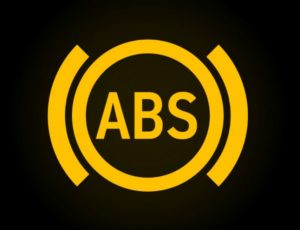
Your ABS system helps prevent your wheels from locking up during braking, improving vehicle control. Ignoring this warning light could compromise your ability to stop safely, so inspecting your braking system as soon as possible is crucial.
Tire Pressure Monitoring System (TPMS) Light

The TPMS light (an exclamation point inside a tire) alerts you to low tire pressure in one or more of your tires. Driving with low tire pressure can impact your vehicle’s handling, fuel efficiency, and tire wear. Check your tire pressure as soon as possible and inflate them to the recommended level if needed.
Airbag Light

The airbag light (a person with an inflated airbag) indicates a problem with your vehicle’s supplemental restraint system (SRS). Consequently, one or more airbags might not deploy correctly in a collision. It is very important to have a qualified mechanic inspect your vehicle to identify and resolve the problem.
Engine Temperature Warning Light
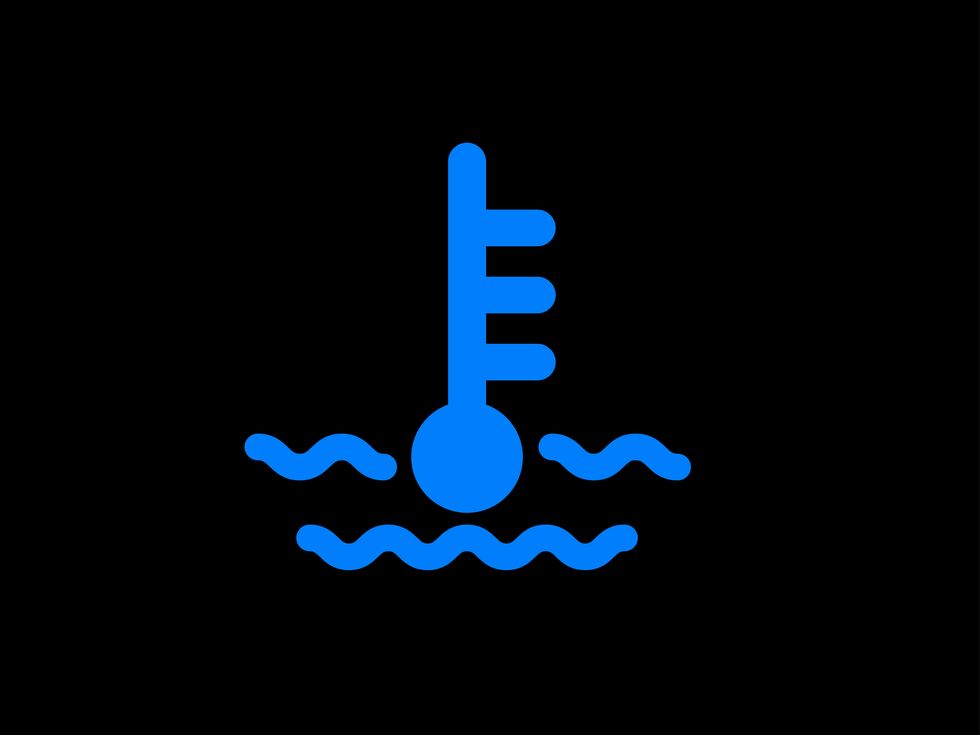
The engine temperature warning light (thermometer floating in liquid) alerts you to an overheating engine. If ignored, overheating can result in significant engine damage. It is essential to pull over promptly and let your engine cool down before examining coolant levels and searching for leaks.
Transmission Temperature Warning Light

The transmission temperature warning light (thermometer next to a gear symbol) alerts you to high transmission fluid temperatures. Overheating transmission fluid can lead to transmission damage and failure. Stop your vehicle and allow the transmission to cool down, then check transmission fluid levels and look for leaks.
Fuel Warning Light
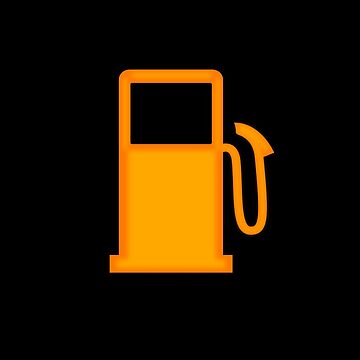
The fuel warning light (gas pump symbol) indicates that your vehicle is running low on fuel. Running out of fuel can leave you stranded or damage your fuel pump, so it’s essential to refuel as soon as possible after the warning light comes on.
Electronic Stability Control (ESC) Light

The ESC light (an exclamation point in a triangle with a circular arrow around it or a car with wavy lines beneath it) indicates a problem with your vehicle’s electronic stability control system.

This system helps maintain vehicle stability and prevent skidding during sudden maneuvers. If the ESC light comes on, have your car inspected to ensure proper functionality.
Traction Control Light
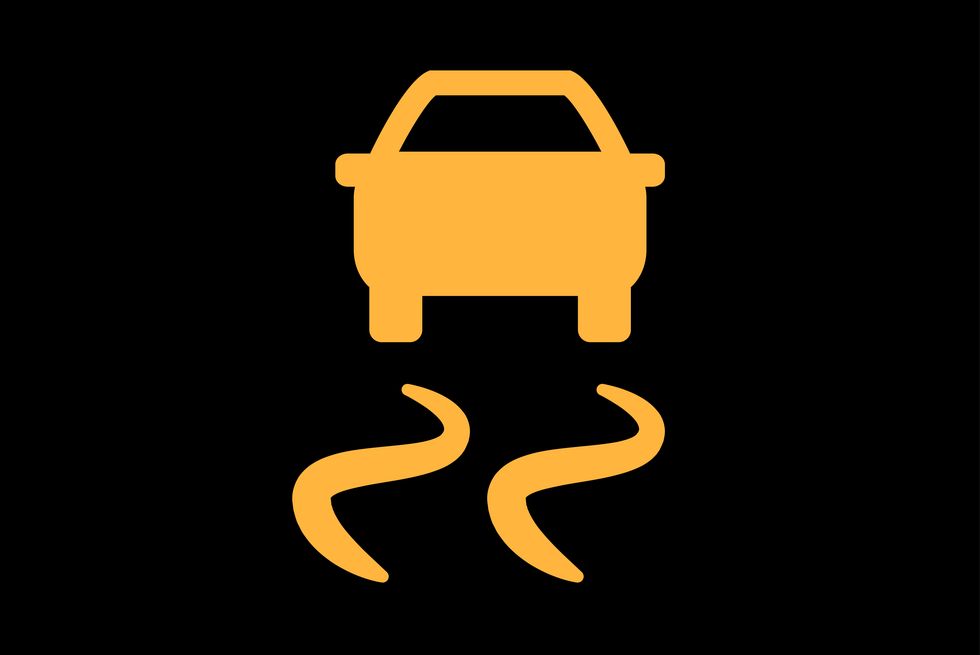
The traction control light (car with wavy lines beneath it or a picture of a tire with “TC” in it and a line through it) indicates a problem with your vehicle’s traction control system, which helps prevent wheel spin during acceleration on slippery surfaces.

If the traction control light comes on, have your vehicle inspected for optimal traction control performance.
Glow Plug Indicator (Diesel Engines)

The glow plug indicator (coil symbol) is specific to diesel engines and indicates that the glow plugs are preheating the combustion chambers for easier starting. If the glow plug indicator stays on for an extended period or flashes, it may indicate a problem with the glow plug system that requires attention.
White’s Canyon Ford is Here For You
In conclusion, dashboard warning lights are your car’s way of communicating with you and alerting you to potential problems. They are necessary to avoid more severe problems and costly repairs later. By understanding what different dashboard warning lights mean and taking prompt action when they appear, you can help ensure your safety and maintain the health of your vehicle. If you need help with the meaning of a dashboard warning light, consult your vehicle’s owner’s manual or even more, contact our service department. Our team of qualified mechanics and advisors is ready to help. Drive safely!
For a more comprehensive guide to warning lights, click here.
Connect with us


- February 2026
- December 2025
- November 2025
- September 2025
- July 2025
- June 2025
- May 2025
- April 2025
- March 2025
- February 2025
- January 2025
- December 2024
- November 2024
- October 2024
- September 2024
- June 2024
- January 2024
- September 2023
- February 2023
- November 2022
- September 2022
- July 2022
- May 2022
- April 2022
- February 2022
- January 2022
- November 2021
- October 2021