



Dashboard warning lights can be alarming and confusing. However, they are crucial in alerting you of potential vehicle problems. Understanding what each light means can help you address issues promptly and keep your car running smoothly. With this in mind, let’s decipher the meanings behind some of the most common dashboard warning lights.
Check Engine Light

The check engine light (engine-shaped icon) is one of the most recognizable warning lights. It indicates a wide range of issues, ranging from minor to severe. Common causes include problems with the emission control system, fuel system, or ignition system, for example. While a solid check engine light may indicate a non-urgent issue, a flashing light typically signifies a more severe problem that requires immediate attention.
Battery Light

The battery light (battery-shaped icon) communicates a problem with your charging system. It could mean that the battery is not charging correctly. A damaged alternator, loose or corroded battery connections, or a broken drive belt may be to blame. Ignoring this warning light could result in a dead battery and an inability to start your car.
Oil Pressure Light

The oil pressure light (oil can symbol) alerts you to low oil pressure in your engine. Low oil pressure may cause inadequate lubrication, leading to excessive wear and engine damage as a result. Cease driving immediately and check the oil level. Driving with low oil pressure can be extremely harmful to your vehicle.
Brake System/ABS Lights

The brake system light (an exclamation point inside a circle or the word “BRAKE”) or ABS light (the letters “ABS” inside a circle) indicates a problem with your vehicle’s braking system, such as low brake fluid, worn brake pads, or an anti-lock braking system (ABS) malfunction.
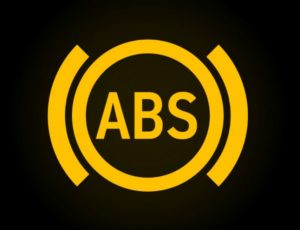
Your ABS system helps prevent your wheels from locking up during braking, improving vehicle control. Ignoring this warning light could compromise your ability to stop safely, so inspecting your braking system as soon as possible is crucial.
Tire Pressure Monitoring System (TPMS) Light
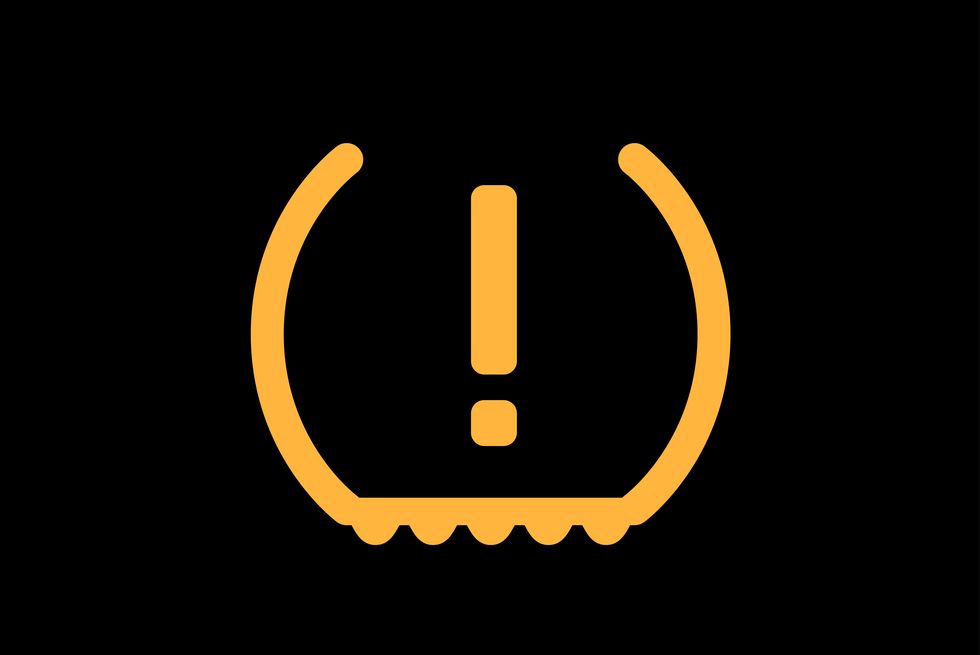
The TPMS light (an exclamation point inside a tire) alerts you to low tire pressure in one or more of your tires. Driving with low tire pressure can impact your vehicle’s handling, fuel efficiency, and tire wear. Check your tire pressure as soon as possible and inflate them to the recommended level if needed.
Airbag Light

The airbag light (a person with an inflated airbag) indicates a problem with your vehicle’s supplemental restraint system (SRS). Consequently, one or more airbags might not deploy correctly in a collision. It is very important to have a qualified mechanic inspect your vehicle to identify and resolve the problem.
Engine Temperature Warning Light
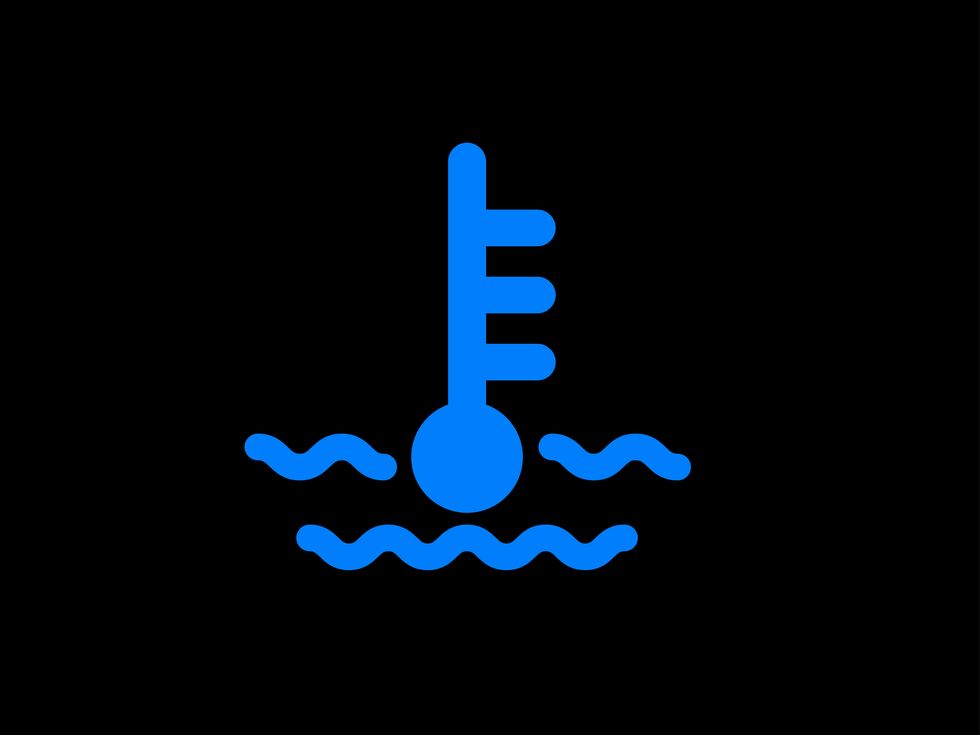
The engine temperature warning light (thermometer floating in liquid) alerts you to an overheating engine. If ignored, overheating can result in significant engine damage. It is essential to pull over promptly and let your engine cool down before examining coolant levels and searching for leaks.
Transmission Temperature Warning Light
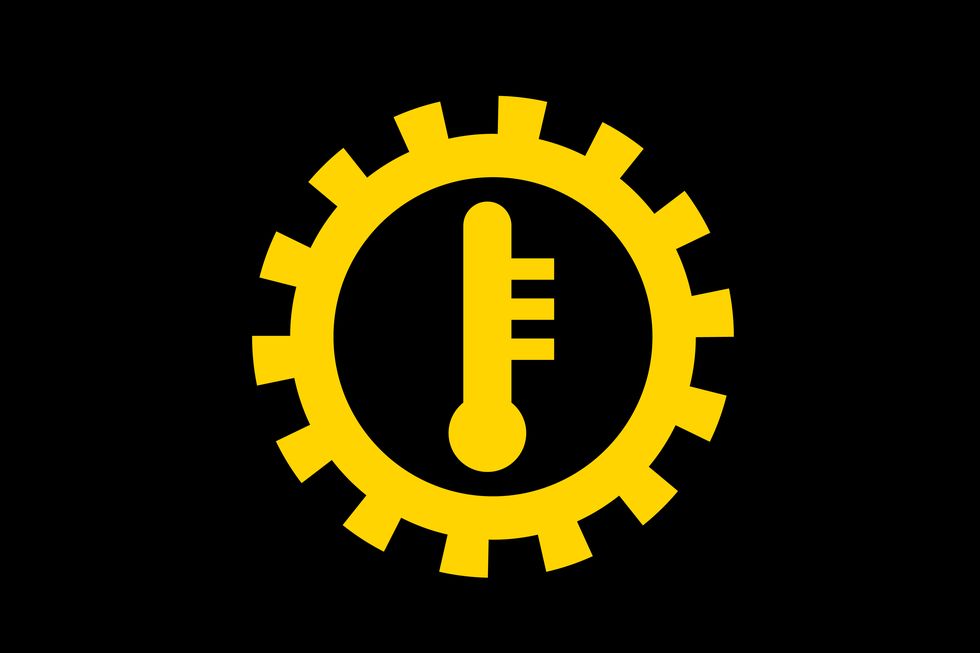
The transmission temperature warning light (thermometer next to a gear symbol) alerts you to high transmission fluid temperatures. Overheating transmission fluid can lead to transmission damage and failure. Stop your vehicle and allow the transmission to cool down, then check transmission fluid levels and look for leaks.
Fuel Warning Light
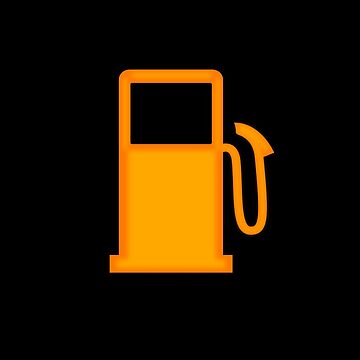
The fuel warning light (gas pump symbol) indicates that your vehicle is running low on fuel. Running out of fuel can leave you stranded or damage your fuel pump, so it’s essential to refuel as soon as possible after the warning light comes on.
Electronic Stability Control (ESC) Light
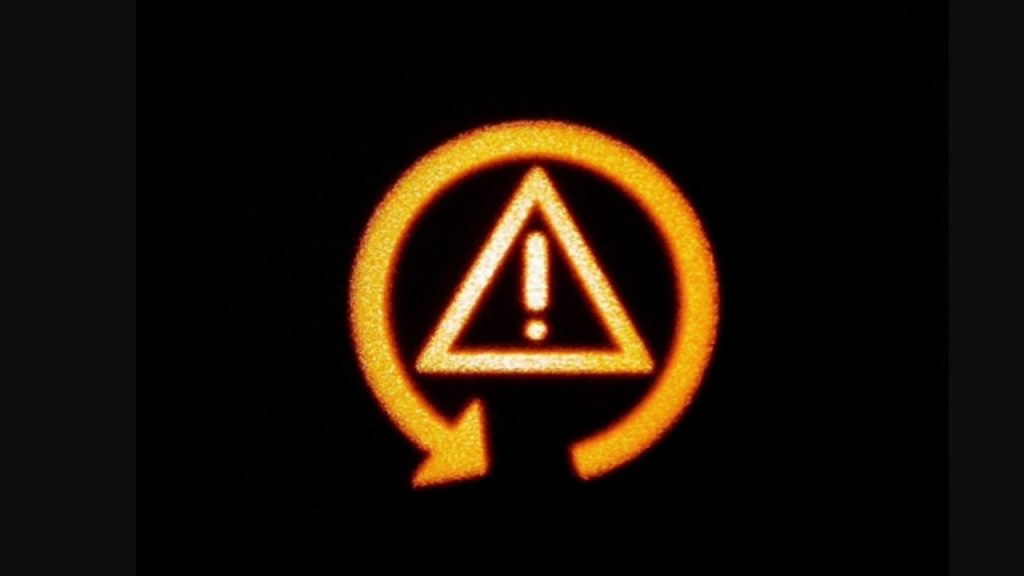
The ESC light (an exclamation point in a triangle with a circular arrow around it or a car with wavy lines beneath it) indicates a problem with your vehicle’s electronic stability control system.

This system helps maintain vehicle stability and prevent skidding during sudden maneuvers. If the ESC light comes on, have your car inspected to ensure proper functionality.
Traction Control Light
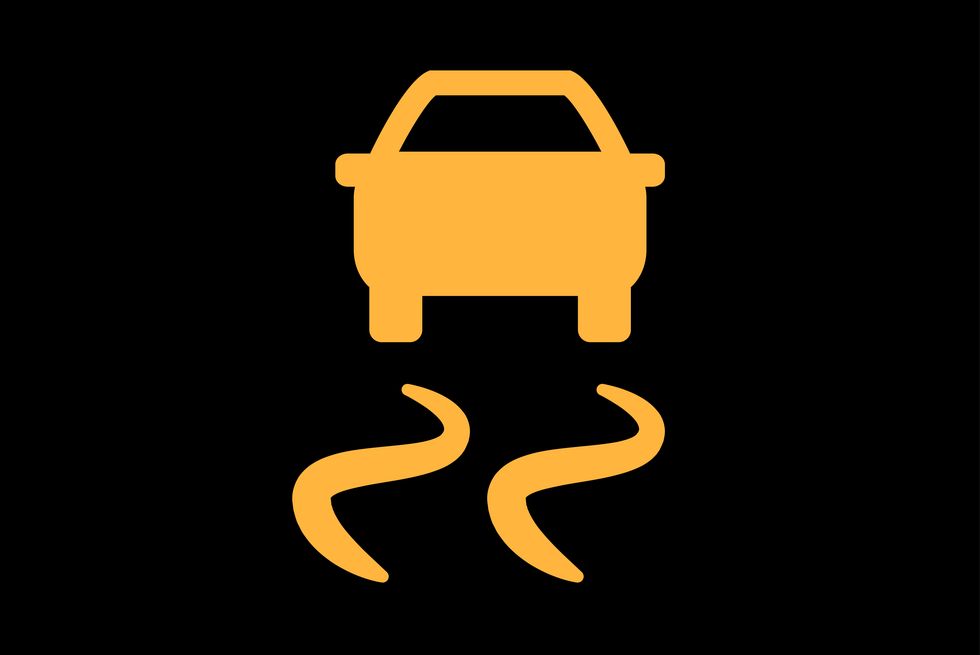
The traction control light (car with wavy lines beneath it or a picture of a tire with “TC” in it and a line through it) indicates a problem with your vehicle’s traction control system, which helps prevent wheel spin during acceleration on slippery surfaces.
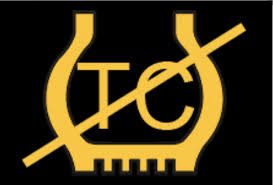
If the traction control light comes on, have your vehicle inspected for optimal traction control performance.
Glow Plug Indicator (Diesel Engines)
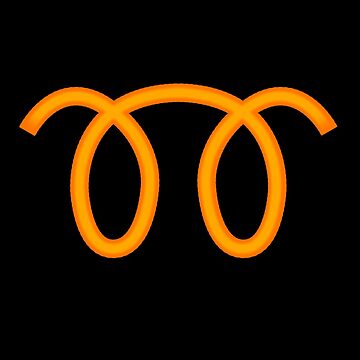
The glow plug indicator (coil symbol) is specific to diesel engines and indicates that the glow plugs are preheating the combustion chambers for easier starting. If the glow plug indicator stays on for an extended period or flashes, it may indicate a problem with the glow plug system that requires attention.
White’s Canyon Ford is Here For You
In conclusion, dashboard warning lights are your car’s way of communicating with you and alerting you to potential problems. They are necessary to avoid more severe problems and costly repairs later. By understanding what different dashboard warning lights mean and taking prompt action when they appear, you can help ensure your safety and maintain the health of your vehicle. If you need help with the meaning of a dashboard warning light, consult your vehicle’s owner’s manual or even more, contact our service department. Our team of qualified mechanics and advisors is ready to help. Drive safely!
For a more comprehensive guide to warning lights, click here.
Connect with us


- June 2026
- May 2026
- March 2026
- February 2026
- December 2025
- November 2025
- September 2025
- July 2025
- June 2025
- May 2025
- April 2025
- March 2025
- February 2025
- January 2025
- December 2024
- November 2024
- October 2024
- September 2024
- June 2024
- January 2024
- September 2023
- February 2023
- November 2022
- September 2022
- July 2022
- May 2022
- April 2022
- February 2022
- January 2022
- November 2021
- October 2021