Blog / Owner Experience

Winter Tires vs. All-Season Tires: Which is Best for You?

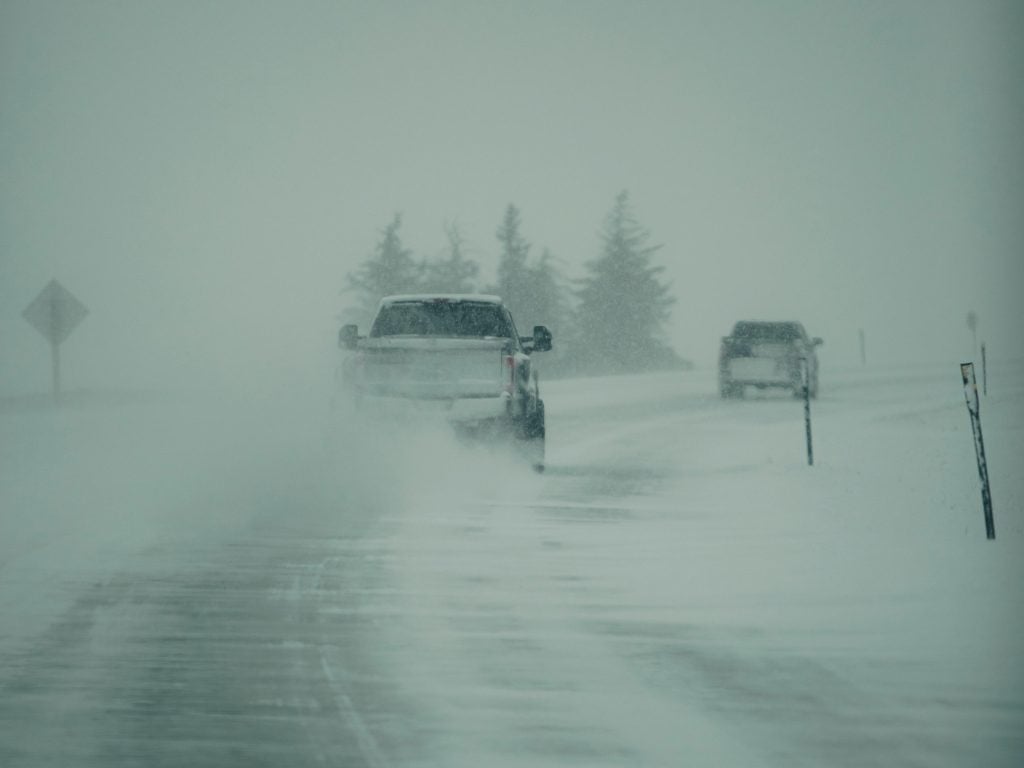
Ford SuperDuty driving in winter conditions

As the cold weather approaches, it's time to think about one crucial aspect of winter driving—tires. You may wonder whether you should stick with your all-season tires or switch to winter tires. Both options have benefits, but understanding the differences can help you make an informed decision that ensures safety and performance during the winter months.

All-Season Tires

All-season tires, made to stay on your vehicle year-round, provide balanced performance across various conditions. Many drivers opt for all-season tires for their versatility, though not explicitly built for the extreme cold or deep snow.

Pros:

  • Convenience: All-season tires eliminate the hassle of swapping between two sets. You can keep the same tires on your vehicle all year, saving time and effort.
  • Cost-Effective: You won’t need to buy a second set of tires, reducing your upfront costs and avoiding the expense of seasonal tire storage or installation.
  • Balanced Performance: All-season tires compromise between summer and winter tire performance. They offer good traction in wet conditions and moderate snow, making them suitable for drivers who experience varying weather patterns but not extreme winter conditions.
  • Durability: All-season tires tend to last longer in warmer conditions than winter tires, which can wear out faster when used outside of cold weather. Their durability makes them a practical choice for areas with fluctuating temperatures.

Cons:

  • Reduced Performance in Extreme Cold: All-season tires are made with a rubber compound that becomes less effective in temperatures below 45°F. They tend to harden in cold weather, which reduces grip and traction.
  • Limited Snow Traction: While all-season tires can handle light snow, they struggle to perform on roads covered with ice or deep snow. Their tread design doesn’t have the same snow-clearing ability as winter tires.

Winter Tires

Winter tires, or snow tires, are not just a marketing gimmick—they are engineered to perform in cold, snowy conditions. Made from a special rubber compound that remains flexible in freezing temperatures, they provide better traction and handling on snow and ice. Winter tires also feature deep treads and unique patterns that maximize grip and control on slippery roads.

Pros:

  • Superior Traction in Snow and Ice: Winter tires have aggressive tread patterns that offer superior grip on snow-covered or icy roads—better grip means better control. They can help prevent skidding and sliding when starting, stopping, or turning.
  • Better Performance in Cold Temperatures: Winter tires remain soft and flexible in sub-zero temperatures, giving you better handling and reduced wear.

Cons:

  • Inconvenience: You’ll need to switch between winter and summer or all-season tires as the seasons change, requiring storing a second set of tires and tire changes twice a year. The general rule of thumb is to switch when temperatures consistently drop below 45°F.
  • Cost: Purchasing a second set of tires can be more expensive upfront. Additionally, you’ll need to consider the cost of seasonal tire changes or the need to store your extra set properly.
  • Wear in Warm Weather: Winter tires are not designed for warm temperatures. They wear out faster and won’t perform as well in summer if used year-round.

Studded Winter Tires

Another thing to consider if you purchase winter tires is whether you want them studded for extra grip. Studded tires have small metal spikes embedded in the tread to improve traction on ice and hard-packed snow. While studding offers some unique advantages, it also has its downsides.

Pros:

  • Superior Traction: Studded tires excel in icy conditions, where even the best winter tires may struggle to maintain traction. The metal studs dig into the ice, significantly improving grip and reducing the risk of sliding or skidding.
  • Better Handling: Besides ice, studded tires perform well on hard-packed snow, where regular winter tires might struggle. The studs enhance braking, acceleration, and cornering in these conditions, making them ideal for icy roads or mountainous areas.
  • Increased Safety: If you frequently encounter severe weather, such as freezing rain, studded tires provide an extra layer of safety. The improved traction can give you more confidence when driving on treacherous roads.
  • Reliability: In regions where winter weather can change rapidly, studded tires are a reliable choice. They prepare you for icy patches, even when roads appear clear.

Cons:

  • Restricted Usage: Due to the damage studded tires can cause to roads, many states and regions have restrictions on when and where to use them. In some areas, studded tires are only permitted during specific winter months or may be banned altogether. In South Dakota, studded tires are allowed from October 1 to April 30.
  • Increased Road Noise: Studded tires are significantly louder than regular winter tires due to the metal studs contacting the road, resulting in a noisy and less comfortable ride.
  • Limited Performance: On dry or wet (non-icy) roads, studded tires don’t perform as well as non-studded winter tires. The studs can reduce tire grip on bare asphalt, making them less efficient in areas where ice and snow are not constant.
  • Wear in Non-Icy Conditions: Using studded tires on dry or slushy roads can wear down the studs and the tire itself, reducing lifespan and effectiveness when needed in icy conditions.

*Not all winter tires are studdable, so double-check this option if you opt for studs.

Which Should You Choose?

Each type of tire has its benefits, but the right choice depends on where you live and your driving habits:

  • Choose All-Season Tires if you live in an area with mild winter conditions, which can vary in the Black Hills alone. They’re a convenient, cost-effective option if you don’t regularly face harsh winter conditions.
  • Choose Winter Tires if you frequently drive in snowy, icy, or freezing weather. If you live in an area that is more mountainous and prone to severe weather, they will offer the best safety and performance.

Whichever type of tire you choose, we recommend selecting a tire certified for severe conditions. Tires with the Three-Peak Mountain Snowflake (3PMSF) rating have been tested and proven to meet specific performance standards in severe winter weather. Unlike regular "M+S" (Mud and Snow) tires, the 3PMSF rating guarantees the tire's ability to handle extreme weather, making it a top choice for safe driving in harsh winter climates.

Trust White’s Canyon Ford for Your Winter Tire Needs

At White’s Canyon Ford, we know how vital safety is during the winter months. Our team is here to help you make the best decision for your vehicle and driving needs. Whether you need expert advice, a new set of tires, or a simple check-up, our team is ready to assist. We offer a wide selection of high-quality tires from trusted brands and expert installation services.

Schedule an appointment today, or stop by to talk to one of our tire specialists. Stay safe this year by choosing the tires that are right for you!
Posted in:

Related Posts

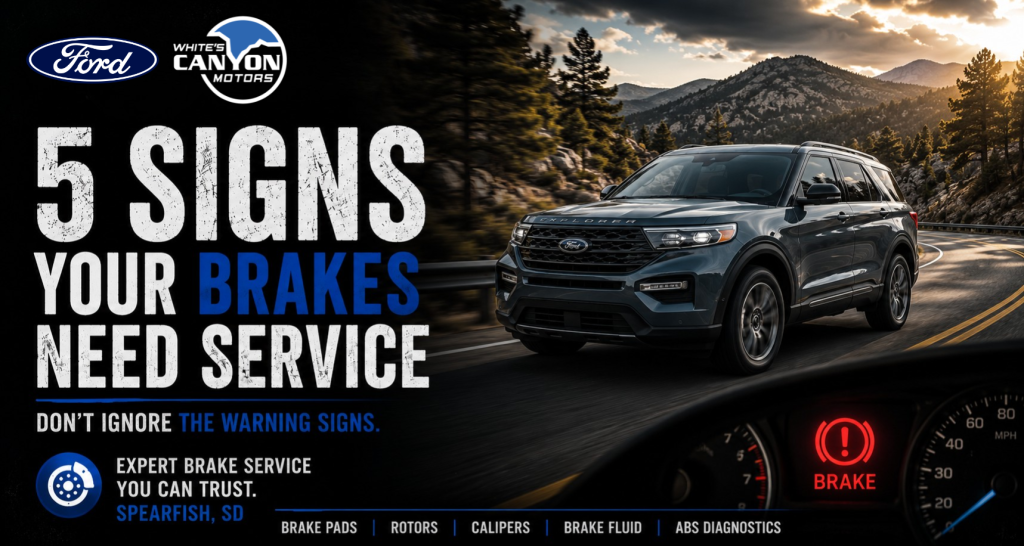
"5 signs your brakes need service" with ford explorer and visible brake warning light

5 Signs Your Brakes Need Service

When it comes to vehicle safety, few systems are as important as your brakes. When something feels “off,” it is worth paying attention. Whether you are commuting through Spearfish, heading toward Rapid City, driving in the hills near Sturgis, or making the trip from Belle Fourche or Gillette, dependable brakes matter every mile of the way. At White’s Canyon Ford & Lincoln in Spearfish, SD, our service team can inspect your braking system and help determine whether your vehicle needs brake pads, rotor service, brake fluid service, caliper repair, ABS diagnostics, or a complete brake inspection. Here are five common signs it may be time to schedule brake service. 1. Your Brakes Are Squealing or Grinding A high-pitched squeal when braking is often one of the first signs that your brake pads may be wearing down. Many brake pads have built-in wear indicators that produce noise as the pad material wears down. Grinding is more serious and may mean the pads are worn enough that metal components are making contact. Ignoring these sounds can lead to bigger repair costs, including possible damage to your rotors. If your vehicle squeals, scrapes, or grinds when you stop, it is best to have your brakes inspected sooner rather than later. 2. You Feel Vibration When Braking If you notice vibration in the brake pedal or steering wheel when slowing down, your rotors may be uneven, warped, or worn. This can happen over time from heat, heavy braking, mountain driving, or regular wear and tear. Rotor issues can affect how smoothly and confidently your vehicle stops. Depending on the condition of your braking system, your vehicle may need rotor resurfacing or rotor replacement. 3. The Brake Pedal Feels Soft or Spongy If your brake pedal feels soft, spongy, or lower than normal, it can be a warning sign of brake fluid issues, air in the brake lines, or another hydraulic system concern. Because your brakes rely on proper pressure to stop the vehicle, changes in pedal feel should not be ignored. If your pedal feels different than usual, schedule a brake inspection right away. 4. Your Vehicle Pulls to One Side When Stopping If your vehicle pulls to one side when you brake, it may be a sign of uneven brake pad wear, a sticking caliper, contaminated brake fluid, or another problem within the braking system. This can affect both braking performance and vehicle control, especially on wet roads, gravel, snow, or uneven Black Hills terrain. 5. Your Brake Warning Light or ABS Light Is On Your brake warning light or ABS light is your vehicle’s way of telling you something needs attention. It may be related to low brake fluid, worn components, ABS system issues, or another concern that requires proper diagnostics. White’s Canyon Ford & Lincoln offers brake inspections and ABS diagnostics to help identify the issue and recommend the right repair. Why Brake Service Matters in the Black Hills Driving conditions around Spearfish can be hard on brakes. Hills, changing weather, towing, stop-and-go traffic, gravel roads, and winter conditions can all add wear to your braking system. Regular brake inspections can help catch small issues before they turn into bigger problems. Most brake pads last somewhere around 30,000 to 70,000 miles. Their lifespan can vary widely based on your driving habits, vehicle type, and road conditions, making regular inspections an important part of routine maintenance. Ford owners can find additional maintenance information through Ford Owner Resources. Schedule Brake Repair in Spearfish, SD Whether you drive a Ford F-150, Explorer, Bronco Sport, Maverick, or any make or model, our service team is here to help keep your vehicle stopping safely. At White’s Canyon Ford & Lincoln, our brake services include: Brake pad replacement Rotor resurfacing or replacement Brake caliper repair Brake fluid flushes ABS diagnostics Complete brake inspections If you are hearing noises, feeling vibration, noticing a soft brake pedal, or seeing a warning light, schedule your brake inspection with White’s Canyon Ford & Lincoln in Spearfish, SD. Serving Spearfish, Rapid City, Sturgis, Belle Fourche, Gillette, and the surrounding Black Hills area.

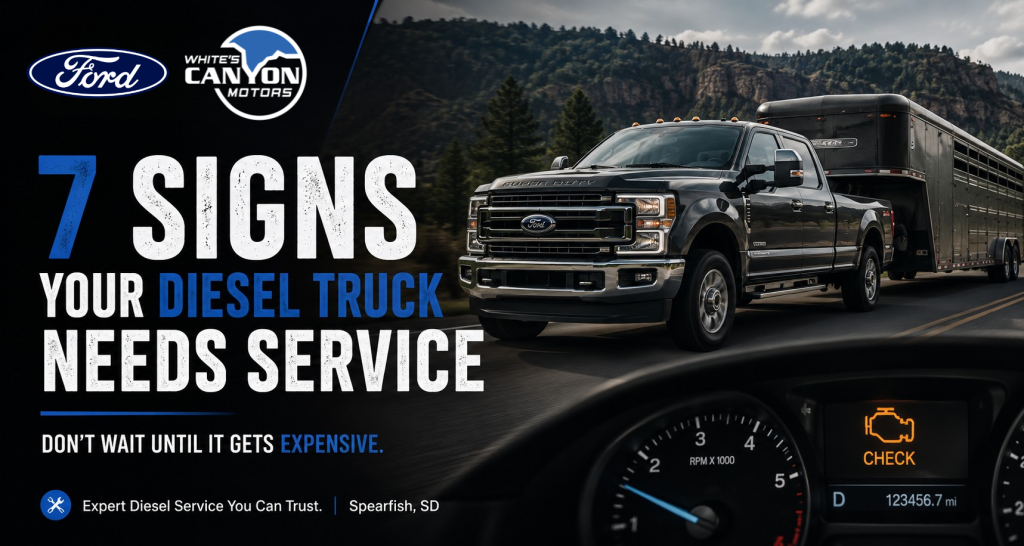
7 Signs Your Ford Diesel Truck Needs Service

Ford Diesel Repair: 7 Signs Your Truck Needs Service

If you rely on your diesel truck for towing, hauling, ranch work, construction, or daily driving around the Black Hills, staying ahead of repairs matters. Modern Ford Super Duty trucks are built tough, but even dependable diesel engines need maintenance and repairs over time, especially when they’re working hard in South Dakota and Wyoming conditions. At White’s Canyon Ford & Lincoln, our certified diesel technicians diagnose and repair Ford Power Stroke engines every day. From Rapid City to Gillette, we help diesel owners catch small problems before they turn into major repairs. Here are seven common warning signs your Ford diesel truck may need professional service. 1. Hard Starts or Long Cranking If your diesel truck takes longer to start than normal, especially during cold mornings in Spearfish or the Black Hills, it could point to several issues, including: Weak glow plugs Fuel system problems Injector issues Battery or charging system concerns High-pressure fuel pump problems A diesel engine should start consistently and smoothly. Ignoring hard starts can eventually leave you stranded when temperatures drop. 2. Loss of Power While Towing or Accelerating A noticeable drop in performance is one of the biggest signs that something isn’t right. If your truck feels sluggish pulling a trailer or struggles climbing hills, the issue may involve: Turbocharger problems Fuel delivery restrictions DEF system faults EGR system buildup Boost leaks Modern diesel trucks rely on multiple systems working together. Even a minor issue can affect towing performance and fuel economy. 3. Excessive Exhaust Smoke Diesel trucks naturally produce some exhaust, but abnormal smoke color can help identify problems quickly. Black smoke may indicate fuel system or airflow issues White smoke can point to injector or combustion problems Blue smoke may signal oil consumption If your truck suddenly starts smoking more than usual, it’s a good idea to have it inspected before additional damage occurs. 4. Check Engine Light or DEF Warning Messages Today’s Ford diesel trucks are packed with advanced emissions technology. You should never ignore warning lights related to the DEF system, emissions equipment, or engine performance. Common diesel warning messages can involve: DEF system service EGR system faults Sensor failures Fuel system issues Turbocharger performance concerns At White’s Canyon Ford, our technicians use factory Ford diagnostic equipment designed specifically for Ford diesel platforms. 5. Poor Fuel Economy If you suddenly notice more trips to the pump, your diesel engine may not be operating efficiently. Reduced fuel economy is often tied to: Dirty fuel injectors Turbocharger inefficiency Fuel filter restrictions Emissions system issues Poor combustion performance Diesel trucks are designed for long-term efficiency. A drop in MPG is usually a sign that something needs attention. Learn more about fuel economy here. 6. Rough Idle or Excessive Engine Noise Your Power Stroke engine should idle relatively smoothly. If you notice shaking, roughness, knocking, or unusual ticking sounds, it could indicate: Injector issues Fuel system concerns Internal engine wear Air or fuel delivery problems Addressing these problems right away can help prevent larger repair bills later. 7. Increased Regeneration Cycles Frequent DPF regenerations or constant regeneration warnings may indicate a deeper issue with the emissions system. This can sometimes be caused by: Excessive soot buildup EGR system problems DEF issues Faulty sensors Driving conditions combined with maintenance needs Ignoring regeneration concerns can eventually impact performance and drivability. Trust Your Diesel Truck to Ford-Trained Technicians Diesel repairs require specialized tools, training, and experience. At White’s Canyon Ford & Lincoln, our diesel technicians bring over 50 years of combined experience working on Ford Power Stroke engines. We proudly serve drivers from Spearfish, Rapid City, Sturgis, Belle Fourche, Gillette, and surrounding areas. Whether your truck needs diagnostics, turbocharger repair, DEF system service, fuel system repairs, or routine diesel maintenance, our team is here to help keep your truck working hard. Schedule Ford Diesel Service in Spearfish, SD If your diesel truck is showing any of these warning signs, don’t wait for the problem to get worse. Schedule diesel service with White’s Canyon Ford & Lincoln Service Department or contact our team today to have your Ford Power Stroke inspected by certified diesel technicians. To find your owner's manual, click here.

Transmission Repair: Warning Signs, Costs & When to Take Action

Your vehicle’s transmission is one of its most critical — and complex — components. Whether you drive a truck, SUV, or sedan around Spearfish, Rapid City, or the surrounding Black Hills area, keeping your transmission in top condition is essential for performance, safety, and long-term reliability. At White’s Canyon Ford & Lincoln, we help drivers catch issues early, avoid costly repairs, and stay confidently on the road. Common Signs Your Transmission Needs Attention Transmission problems don’t usually appear overnight; they build over time. Knowing what to watch for can save you thousands. 1. Slipping Gears If your vehicle unexpectedly changes gears or struggles to stay in gear, that’s a clear warning sign. 2. Rough or Delayed Shifting Hard shifts, hesitation, or clunking noises when changing gears often indicate internal wear or fluid issues. 3. Strange Noises Grinding, whining, or humming sounds, especially while accelerating, should never be ignored. 4. Fluid Leaks Transmission fluid is typically bright red and slightly sweet-smelling. Spots on your driveway could mean a leak that needs immediate attention. 5. Burning Smell Overheated or degraded transmission fluid can produce a noticeable burning odor. 6. Check Engine Light Your vehicle’s onboard diagnostics may detect transmission-related issues before you feel them. Why Early Transmission Repair Matters Ignoring small transmission issues can quickly turn into major (and expensive) repairs. Early service can help you: Prevent full transmission failure Avoid costly replacements Improve fuel efficiency Extend the life of your vehicle At White’s Canyon Ford & Lincoln, our factory-trained technicians (who have over 45 years of combined experience!) use advanced diagnostic tools to quickly and accurately pinpoint issues, saving you time and money. Following Ford's recommended service intervals can also help extend the life of your transmission. Transmission Repair vs. Replacement: What to Expect Not all transmission problems require a full replacement. Minor Repairs May Include: Fluid flush and replacement Seal or gasket repairs Sensor replacements More Extensive Repairs May Include: Clutch repairs (manual transmissions) Torque converter replacement Internal component rebuilds Full transmission replacement is typically only necessary in severe cases, and catching issues early can often help you avoid it altogether. We Service All Makes & Models Even though we specialize in Ford and Lincoln vehicles, our experienced service team works on all makes and models. Whether you’re driving a hardworking truck, a family SUV, or a daily commuter, we’ve got you covered. Local, Trusted Transmission Service in Spearfish Drivers across Spearfish, Sturgis, Belle Fourche, Rapid City, and even Gillette trust White’s Canyon Ford & Lincoln for honest recommendations and high-quality repairs. We’re committed to: Transparent communication No-pressure service recommendations Getting the job done right the first time Free Pickup & Delivery Available Busy schedule? No problem. We offer free pickup and delivery within 30 miles, making it easier than ever to stay on top of your vehicle’s maintenance, including transmission service. Schedule Your Transmission Inspection Today If you’ve noticed any of the warning signs above — or just want peace of mind — now is the time to act. 👉 Schedule your transmission inspection with White’s Canyon Ford & Lincoln today and keep your vehicle shifting smoothly for miles to come.