

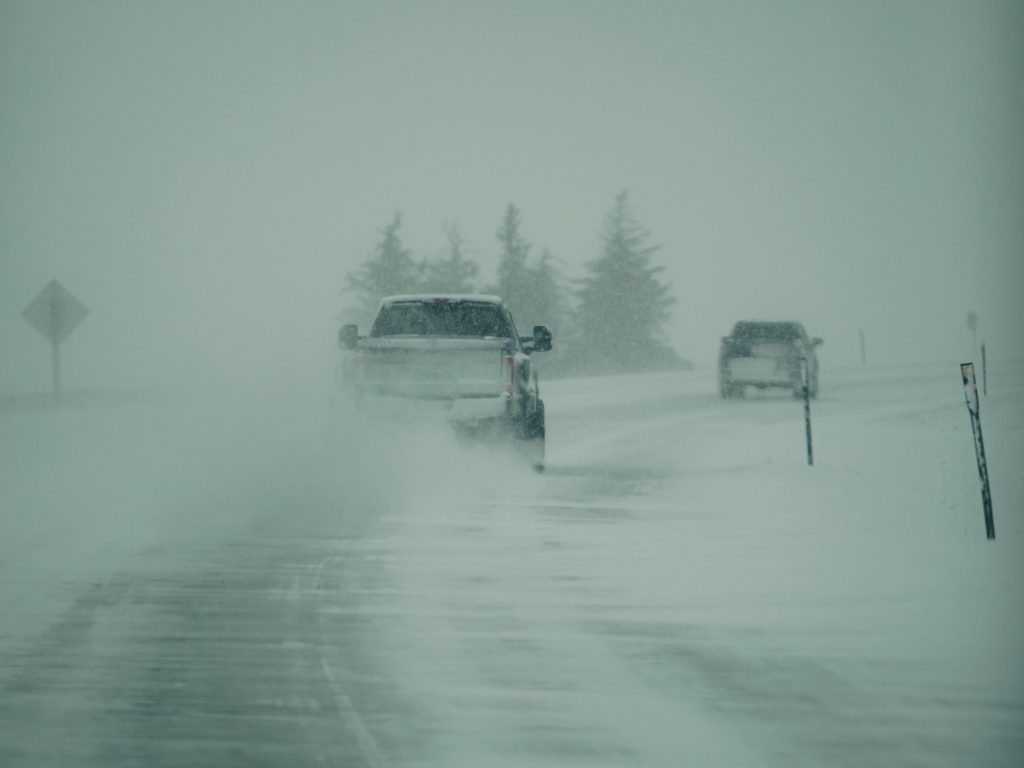
As the cold weather approaches, it’s time to think about one crucial aspect of winter driving—tires. You may wonder whether you should stick with your all-season tires or switch to winter tires. Both options have benefits, but understanding the differences can help you make an informed decision that ensures safety and performance during the winter months.
All-Season Tires
All-season tires, made to stay on your vehicle year-round, provide balanced performance across various conditions. Many drivers opt for all-season tires for their versatility, though not explicitly built for the extreme cold or deep snow.
Pros:
- Convenience: All-season tires eliminate the hassle of swapping between two sets. You can keep the same tires on your vehicle all year, saving time and effort.
- Cost-Effective: You won’t need to buy a second set of tires, reducing your upfront costs and avoiding the expense of seasonal tire storage or installation.
- Balanced Performance: All-season tires compromise between summer and winter tire performance. They offer good traction in wet conditions and moderate snow, making them suitable for drivers who experience varying weather patterns but not extreme winter conditions.
- Durability: All-season tires tend to last longer in warmer conditions than winter tires, which can wear out faster when used outside of cold weather. Their durability makes them a practical choice for areas with fluctuating temperatures.
Cons:
- Reduced Performance in Extreme Cold: All-season tires are made with a rubber compound that becomes less effective in temperatures below 45°F. They tend to harden in cold weather, which reduces grip and traction.
- Limited Snow Traction: While all-season tires can handle light snow, they struggle to perform on roads covered with ice or deep snow. Their tread design doesn’t have the same snow-clearing ability as winter tires.
Winter Tires
Winter tires, or snow tires, are not just a marketing gimmick—they are engineered to perform in cold, snowy conditions. Made from a special rubber compound that remains flexible in freezing temperatures, they provide better traction and handling on snow and ice. Winter tires also feature deep treads and unique patterns that maximize grip and control on slippery roads.
Pros:
- Superior Traction in Snow and Ice: Winter tires have aggressive tread patterns that offer superior grip on snow-covered or icy roads—better grip means better control. They can help prevent skidding and sliding when starting, stopping, or turning.
- Better Performance in Cold Temperatures: Winter tires remain soft and flexible in sub-zero temperatures, giving you better handling and reduced wear.
Cons:
- Inconvenience: You’ll need to switch between winter and summer or all-season tires as the seasons change, requiring storing a second set of tires and tire changes twice a year. The general rule of thumb is to switch when temperatures consistently drop below 45°F.
- Cost: Purchasing a second set of tires can be more expensive upfront. Additionally, you’ll need to consider the cost of seasonal tire changes or the need to store your extra set properly.
- Wear in Warm Weather: Winter tires are not designed for warm temperatures. They wear out faster and won’t perform as well in summer if used year-round.
Studded Winter Tires
Another thing to consider if you purchase winter tires is whether you want them studded for extra grip. Studded tires have small metal spikes embedded in the tread to improve traction on ice and hard-packed snow. While studding offers some unique advantages, it also has its downsides.
Pros:
- Superior Traction: Studded tires excel in icy conditions, where even the best winter tires may struggle to maintain traction. The metal studs dig into the ice, significantly improving grip and reducing the risk of sliding or skidding.
- Better Handling: Besides ice, studded tires perform well on hard-packed snow, where regular winter tires might struggle. The studs enhance braking, acceleration, and cornering in these conditions, making them ideal for icy roads or mountainous areas.
- Increased Safety: If you frequently encounter severe weather, such as freezing rain, studded tires provide an extra layer of safety. The improved traction can give you more confidence when driving on treacherous roads.
- Reliability: In regions where winter weather can change rapidly, studded tires are a reliable choice. They prepare you for icy patches, even when roads appear clear.
Cons:
- Restricted Usage: Due to the damage studded tires can cause to roads, many states and regions have restrictions on when and where to use them. In some areas, studded tires are only permitted during specific winter months or may be banned altogether. In South Dakota, studded tires are allowed from October 1 to April 30.
- Increased Road Noise: Studded tires are significantly louder than regular winter tires due to the metal studs contacting the road, resulting in a noisy and less comfortable ride.
- Limited Performance: On dry or wet (non-icy) roads, studded tires don’t perform as well as non-studded winter tires. The studs can reduce tire grip on bare asphalt, making them less efficient in areas where ice and snow are not constant.
- Wear in Non-Icy Conditions: Using studded tires on dry or slushy roads can wear down the studs and the tire itself, reducing lifespan and effectiveness when needed in icy conditions.
*Not all winter tires are studdable, so double-check this option if you opt for studs.
Which Should You Choose?
Each type of tire has its benefits, but the right choice depends on where you live and your driving habits:
- Choose All-Season Tires if you live in an area with mild winter conditions, which can vary in the Black Hills alone. They’re a convenient, cost-effective option if you don’t regularly face harsh winter conditions.
- Choose Winter Tires if you frequently drive in snowy, icy, or freezing weather. If you live in an area that is more mountainous and prone to severe weather, they will offer the best safety and performance.
Whichever type of tire you choose, we recommend selecting a tire certified for severe conditions. Tires with the Three-Peak Mountain Snowflake (3PMSF) rating have been tested and proven to meet specific performance standards in severe winter weather. Unlike regular “M+S” (Mud and Snow) tires, the 3PMSF rating guarantees the tire’s ability to handle extreme weather, making it a top choice for safe driving in harsh winter climates.
Trust White’s Canyon Ford for Your Winter Tire Needs
At White’s Canyon Ford, we know how vital safety is during the winter months. Our team is here to help you make the best decision for your vehicle and driving needs. Whether you need expert advice, a new set of tires, or a simple check-up, our team is ready to assist. We offer a wide selection of high-quality tires from trusted brands and expert installation services.
Schedule an appointment today, or stop by to talk to one of our tire specialists. Stay safe this year by choosing the tires that are right for you!
Connect with us


- February 2026
- December 2025
- November 2025
- September 2025
- July 2025
- June 2025
- May 2025
- April 2025
- March 2025
- February 2025
- January 2025
- December 2024
- November 2024
- October 2024
- September 2024
- June 2024
- January 2024
- September 2023
- February 2023
- November 2022
- September 2022
- July 2022
- May 2022
- April 2022
- February 2022
- January 2022
- November 2021
- October 2021